

Ascendant Launches Global ACH for International Payments
New local payment option in more than 50 countries gives finance teams an alternative to international wires and paper checks, with guidance on choosing the right route for every payment
New local payment option in more than 50 countries gives finance teams an alternative to international wires and paper checks, with guidance on choosing the right route for every payment

For years, most finance teams have treated international payments as a two-way choice: mail a check, or send a wire. Physical checks are slow and manual.

Credit union payment modernization is increasingly about more than adding another digital feature. Members and businesses expect financial services to be accessible, efficient and capable of supporting increasingly complex payment needs. For credit unions, meeting those expectations requires deciding which capabilities to develop internally, which to integrate and where specialized technology partners can accelerate progress. Recent research suggests that those decisions may have implications ...
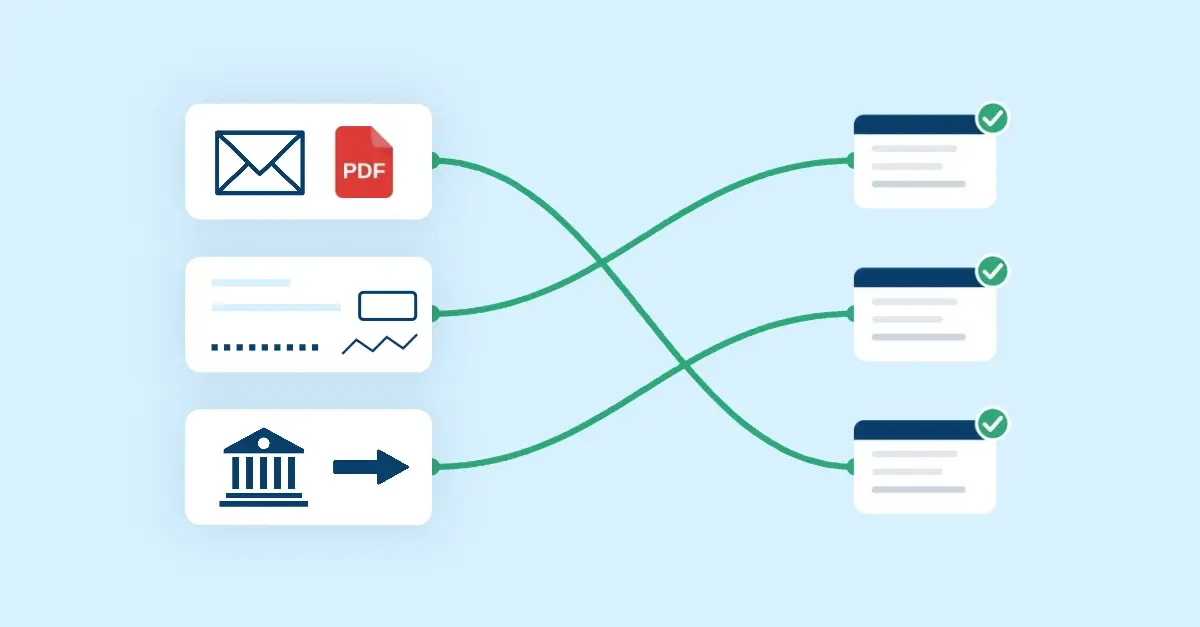
When Days Sales Outstanding (DSO) starts to climb, slow-paying customers may seem like the obvious cause. But for many finance teams, the issue isn’t when the payment is received. It’s how quickly that payment is matched and applied to the correct invoice. Disconnected remittance information and manual cash application can leave payments sitting unapplied, keeping invoices open longer and contributing to higher DSO.

Disconnected payment systems slow finance teams down because every additional system, bank portal, or manual handoff adds delay, increases the chance of error, and chips away at real-time visibility into cash position. Most finance teams lose track of payments because their systems were never designed to talk to each other in the first place. A wire moves through one process, an ACH through another, a check through a third, and each one lives in its own disconnected system. Nobody can see the ...

For many manufacturing finance teams, chasing payments has become part of the daily routine. Outstanding customer invoices, partial shipments, supplier inquiries, payment exceptions, and manual reconciliation consume valuable time that could be spent on forecasting, improving cash flow, or supporting business growth. The challenge isn't simply that payments take time. It's that manufacturing payment processes are often fragmented across multiple systems, suppliers, currencies, and financial ...
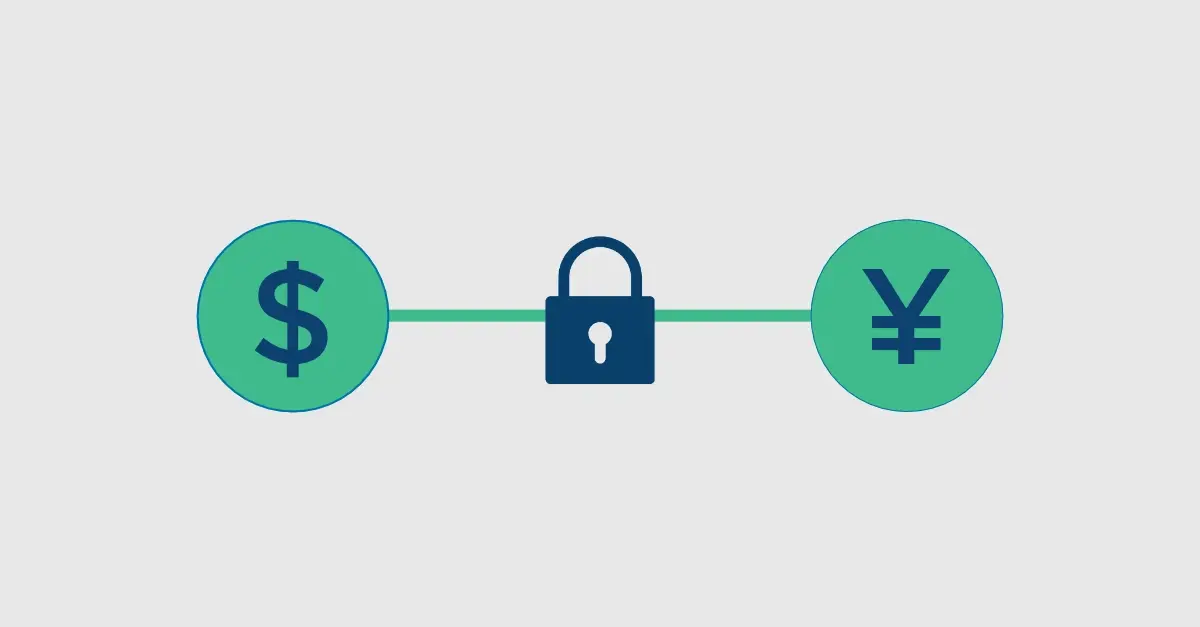
If your business buys from overseas suppliers, invoices customers in foreign currencies, or operates internationally, exchange rate movements can significantly affect profitability. One of the most common ways to reduce that uncertainty is with a foreign exchange (FX) forward contract.
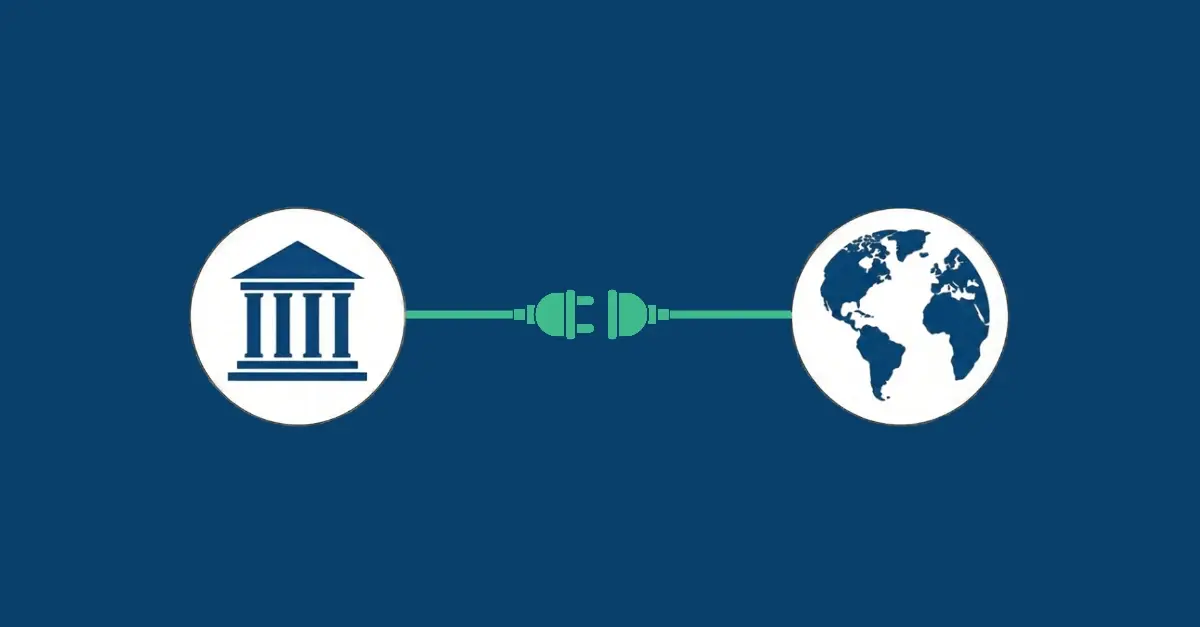
Financial institutions are under increasing pressure to offer fast, transparent, and digital cross-border payment services. Customers expect international payments to be as simple as sending money domestically, while fintech providers continue raising the standard with intuitive user experiences, competitive pricing, and faster delivery times. The challenge is that building a global payment infrastructure from the ground up is expensive, complex, and often unrealistic for many banks, credit ...
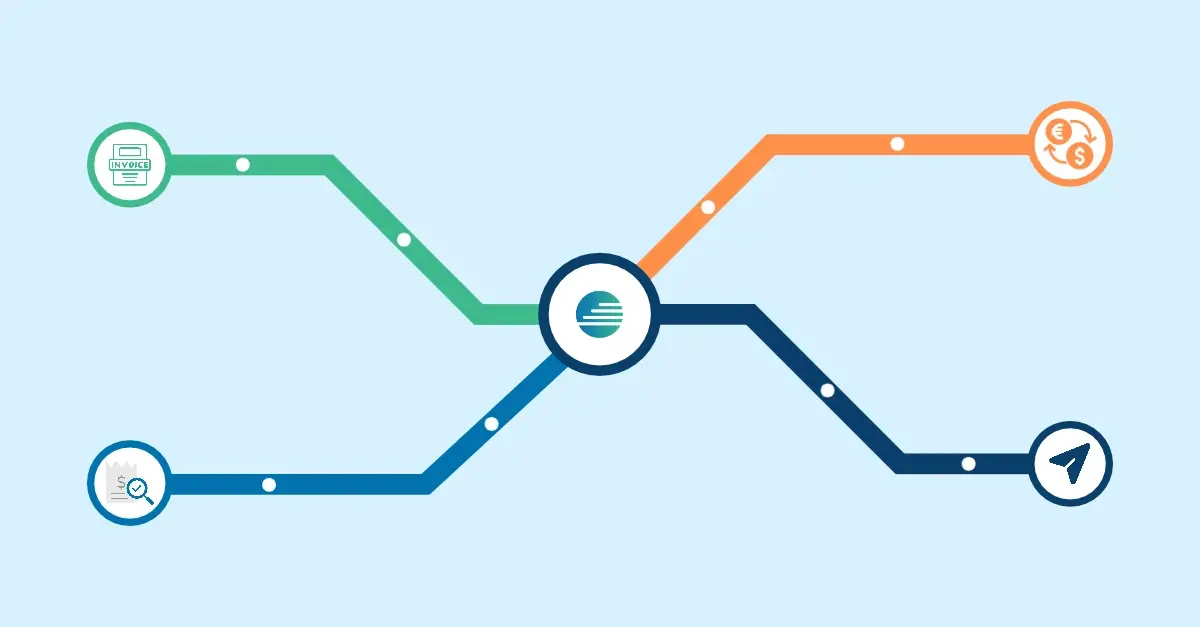
A Treasurer's Guide to AR, AP, FX, and Reconciliation If your accounts receivable, accounts payable, treasury, foreign exchange, and reconciliation workflows operate independently, you're likely spending more time moving data than managing cash. The result is slower month-end close, reduced visibility into cash flow, unnecessary payment errors, and increased operational risk.
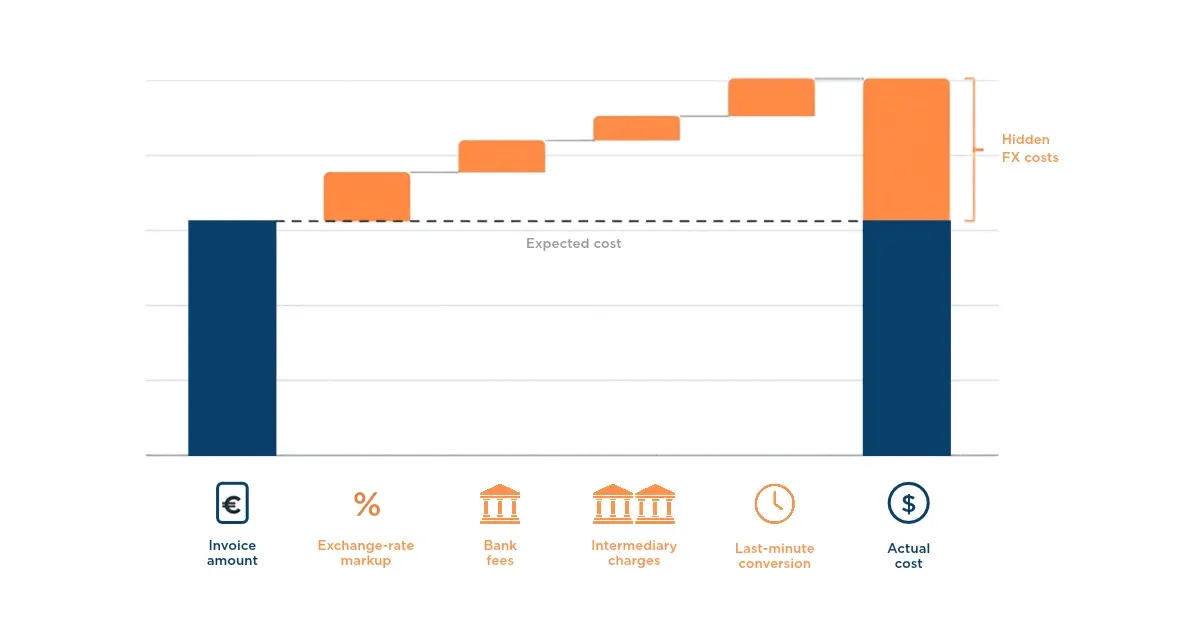
If your business regularly pays suppliers, contractors, or partners overseas, managing foreign exchange (FX) costs should be part of your financial strategy. Exchange rates fluctuate constantly, and even small movements can significantly impact margins, cash flow, and budgeting. The good news is that businesses can take practical steps to reduce these costs and minimize currency risk without making international payments more complicated.

International payments are more expensive than many finance teams realize. While bank wire fees and foreign exchange spreads receive the most attention, they often represent only a portion of the total cost. Manual processing, failed payments, delayed settlements, reconciliation challenges, and fragmented banking relationships can quietly consume significant time and budget.

As businesses grow, finance teams are often expected to support more customers, vendors, currencies, and transactions without additional resources. The good news is that scaling financial operations does not always require hiring more people. It requires improving processes, eliminating repetitive work, and giving finance teams better visibility into cash flow and payments.

Why should I pay in my vendors' local currency vs USD? When you wire USD to an overseas supplier, their bank performs the currency conversion at its own rate, with fees baked in on both sides that neither you nor your vendor agreed to and neither of you can see. The result is a transaction where both parties absorb costs that were never part of the original agreement. Paying in your vendor's local currency changes that dynamic entirely. You control the conversion, the rate is agreed upfront, ...

Failed vendor payments are rarely caused by the payment itself. In most cases, they result from incomplete, outdated, or incorrect banking information collected long before the payment is submitted. By validating vendor payment details before funds are released, finance teams can significantly reduce payment failures, avoid costly investigations, and improve supplier relationships.

Automated cash application is the process of using software to match incoming customer payments to the correct invoices and post them into your ERP or accounting system, with little or no manual review. Instead of an AR team checking bank deposits, remittance emails, checks, ACH files, and credit card transactions one by one, the matching happens automatically using payment and remittance data.

Fumbling with cash, waiting on paper checks, handling collections, and managing manual data entry and cash application processes doesn’t feel like chasing rainbows — there may be a pot of gold at the end, but your internal accounts receivable (A/R) team shouldn't have to shuffle through manual processes to get to it.
Vendor bank account numbers, routing details, and tax IDs should not be sitting in your ERP, your shared drive, or a spreadsheet on someone's desktop. That information should live in a system built specifically to store and protect it, separate from the rest of your financial operations.

Valentine’s Day is a time for love and appreciation. And, while you might not be exchanging chocolates and flowers this Valentine’s with your customers, you can still show them some love by gifting something even better—the payment options they want, all within a single payment system.

Finance teams are under pressure to move faster, reduce errors, and keep up with growing payment volume. Manual posting, disparate systems, and limited visibility make it harder to manage receivables efficiently and confidently.


Managing foreign exchange (FX) risk is essential for any business engaged in international trade. Currency values can shift dramatically between the time you agree to a transaction and when payment is made or received, often impacting profitability. Forward contracts provide a reliable way to safeguard your business from these fluctuations by locking in today’s exchange rate for a future date. This not only protects your margins but also ensures greater certainty in budgeting and cash flow ...

Returned payments aren’t just a nuisance. They’re a silent drain on time, money, and trust. Most failed international payments come down to one root cause: inaccurate or incomplete vendor data. By validating payee information before funds move, finance teams can cut return rates to near zero and reclaim hours each week lost to rework. Why Returned Payments Are More Than Just Annoying Every finance team has experienced it: a vendor payment bounces back, and suddenly the clock starts ticking. ...
TORONTO, Oct. 30, 2025 (GLOBE NEWSWIRE) — AscendantFX Capital Inc. (“Ascendant”) today announced its acquisition of Financial Transmission Network, Inc. (FTNI), a recognized leader in integrated receivables and payment processing solutions. The combination pairs Ascendant’s cross-border payments capabilities and FTNI’s receivables automation platform, giving businesses and financial institutions more choice to streamline money in, money out, and the reconciliation in between. “FTNI’s strength ...

In volatile currency markets, your foreign exchange (FX) strategy can mean the difference between protecting your margins and watching them disappear. Spot and forward contracts are two of the most effective tools for managing FX risk—but knowing when to use each can help you take control of your costs, protect your cash flow, and plan with confidence. The FX Challenge for Global Businesses If your business sends or receives payments in foreign currencies, you’ve likely felt the sting of market ...
If you’re still processing global payments manually, you know the pain: hours lost to data entry, constant reconciliations, late-night stress over errors, and endless vendor emails asking, “Where’s my money?” Manual payment processes aren’t just old-fashioned—they’re a daily grind that holds your team back.

Payment errors aren’t just annoying—they’re a real business risk. Every mistake in a cross-border payment can mean delayed deliveries, lost trust, extra bank fees, or even regulatory trouble. Mid-market and enterprise finance teams need more than a “good enough” approach to accuracy. You need a system that does the heavy lifting for you.

For finance and operations leaders, international vendor payments are often a source of friction. Manual processes, time zone differences, and regulatory complexity can quickly drain your team’s resources. The good news: streamlining your global payment process doesn’t require a big investment in headcount or IT. With a few targeted changes, your finance team can work smarter, reduce errors, and pay vendors on time—every time.

Market volatility isn’t just a headline—it’s a real risk for any business moving money across borders. When FX rates swing, interest rates spike, or trade policy shifts overnight, your international payment costs, timing, and compliance risks can all change in a matter of hours. In this guide, we’ll walk through what volatility means for payment operations, what questions finance leaders should be asking, and how to build resilience into your payment workflows—so you can focus on growth, not ...

The Evolving Landscape of Cross-Border Payments Cross-border payments are entering a new era. For businesses of every size, sending money internationally isn’t just about wiring funds—it’s about speed, accuracy, compliance, and keeping costs in check. In 2025, innovations like real-time rails, automatic payment processes, and AI are fundamentally reshaping how money moves across borders, creating both opportunities and new challenges.

New 2025 tariffs are shaking up global trade and, with it, the cost and complexity of international payments. Businesses can’t afford to wait and see. Here’s what’s changed, what it means for your bottom line, and what you can do right now to protect margins and keep payments flowing. What’s Changed With 2025 Tariffs? 2025 brought sweeping tariff updates across major trade corridors. Several governments have imposed or adjusted tariffs on goods and services, targeting key sectors like ...

“The customer is always right” — a timeless adage that we’ve all heard before. Even though it most often refers to the customer service industry, it also rings true for the B2B payments landscape. Customers’ payment preferences directly affect and influence the evolution and adoption of different payment methods and channels within companies accounts receivable (A/R) and back-office payment processing operations.
No resources in this category yet.