Insights

Strategies, Tips, and Solutions for Modern Businesses

In today’s globalized economy, efficient cross-border payments are critical for growth and operational success. Whether you’re a small business expanding into new markets, or a corporation managing global supply chains, mastering international payments helps your business control costs, reduce risk, and stay competitive.

Here, you’ll find clear, practical advice about cross-border payments: how they work, different ways to pay, the main challenges to watch for, and what’s changing in the industry.

how-credit-unions-can-modernize-payments-in-2026

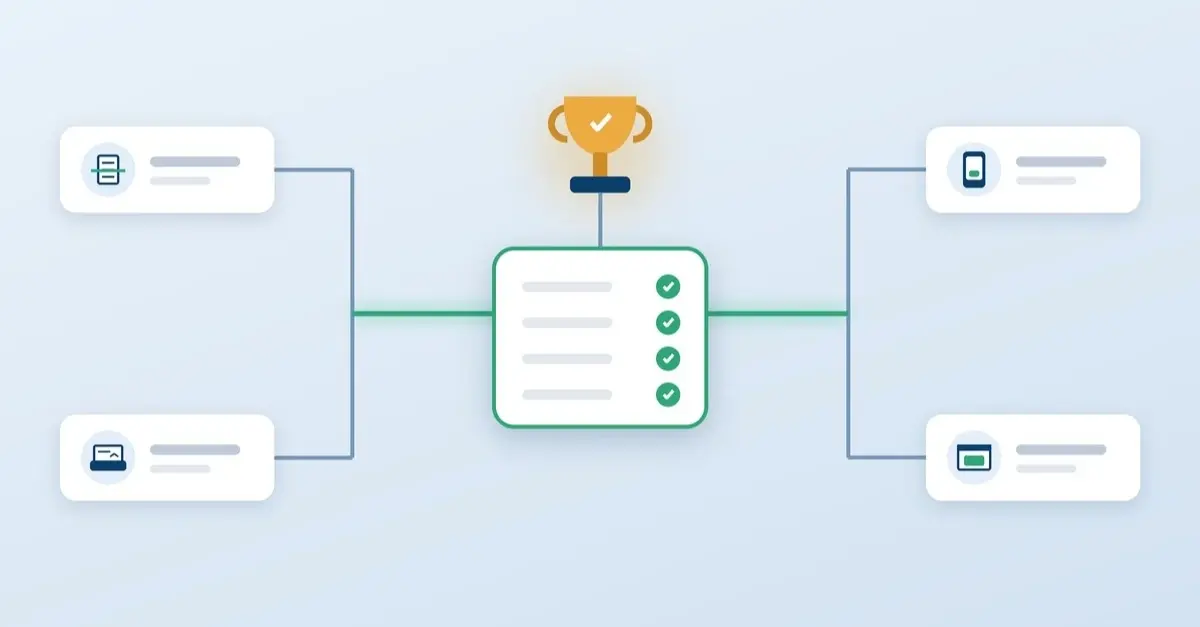
How Credit Unions Can Modernize Payments in 2026

Credit union payment modernization is increasingly about more than adding another digital feature. Members and businesses expect financial services to be accessible, efficient and capable of supporting increasingly complex payment needs. For credit unions, meeting those expectations requires deciding which capabilities to develop internally, which to integrate and where specialized technology partners can accelerate progress. Recent research suggests that those decisions may have implications ...

DSO blog image

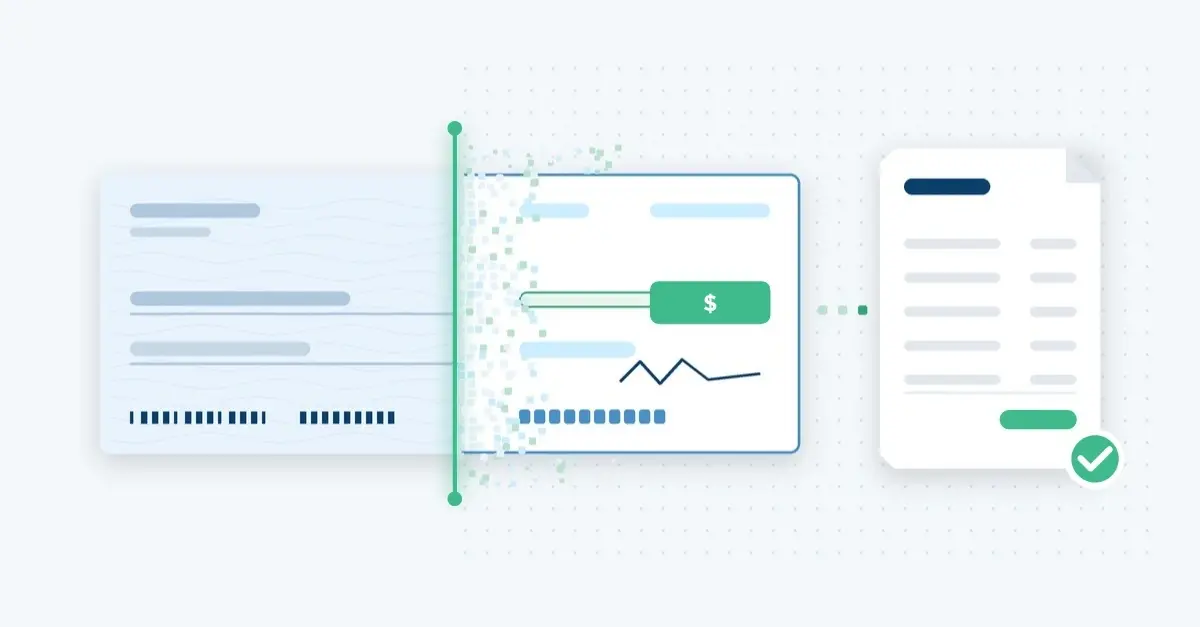
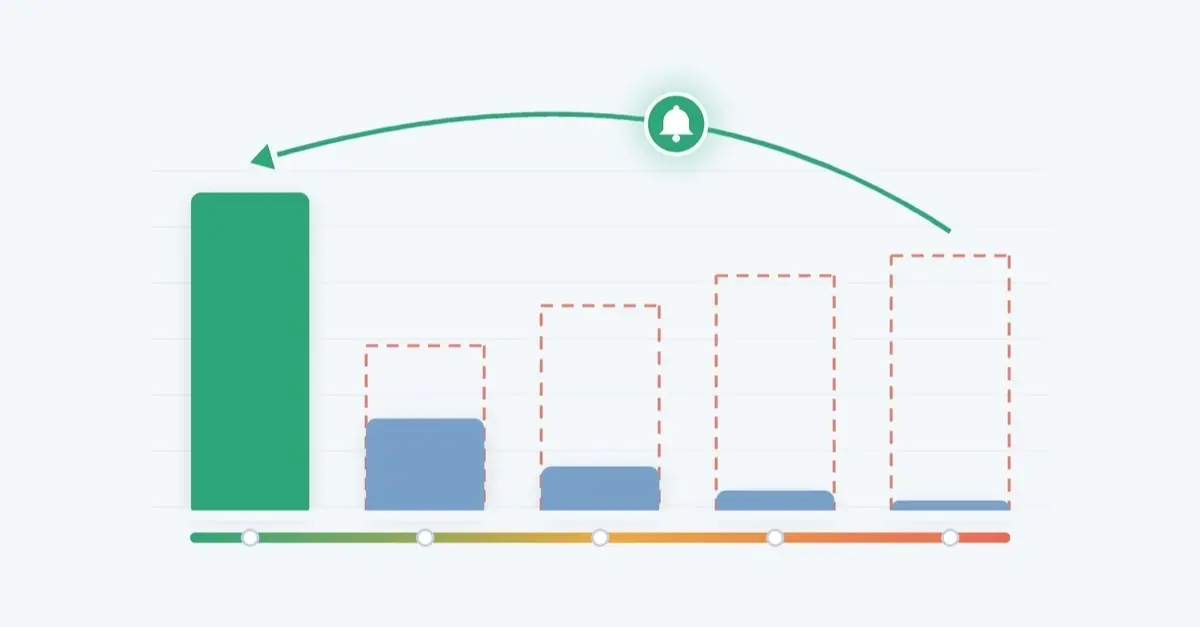
How to Reduce DSO: The Fix Most Finance Teams Miss

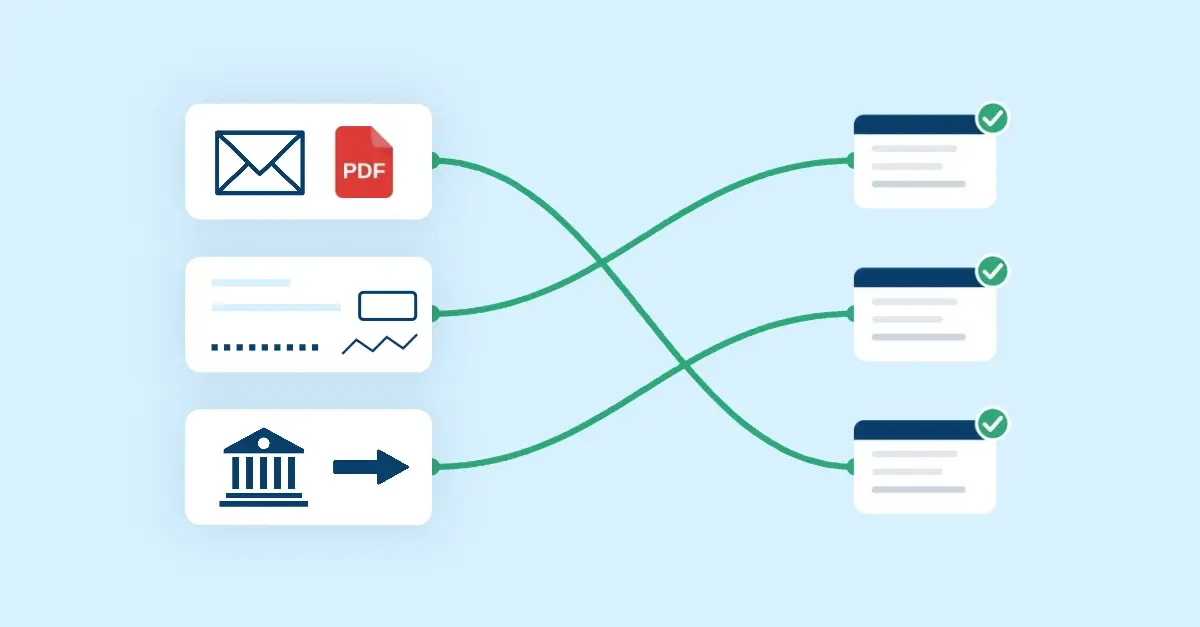
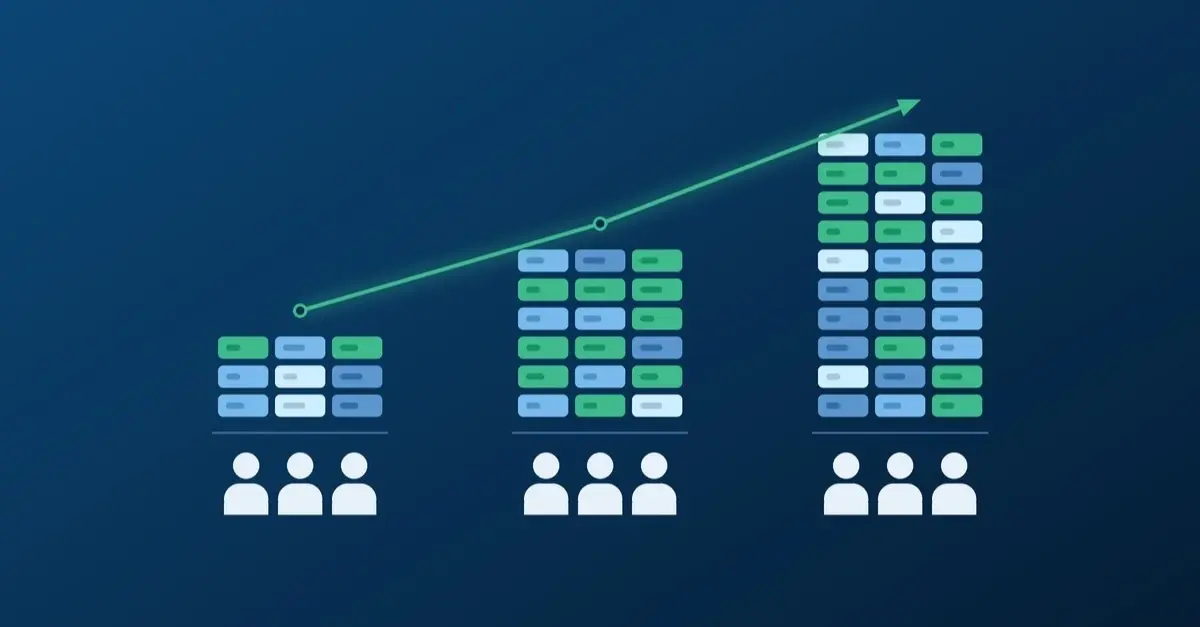
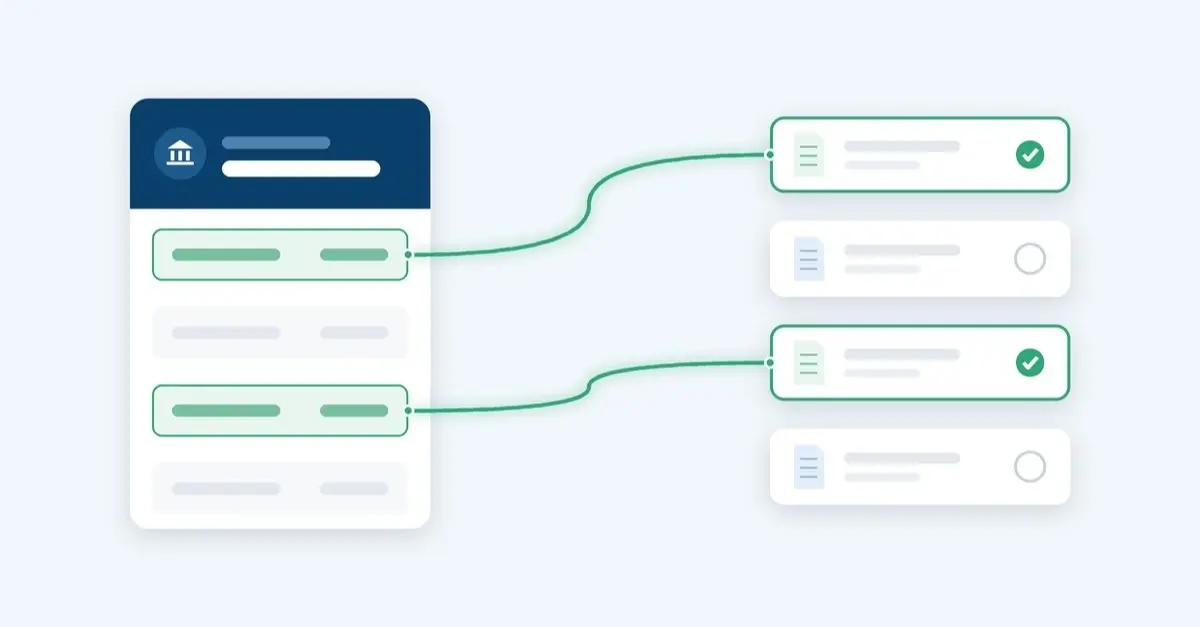
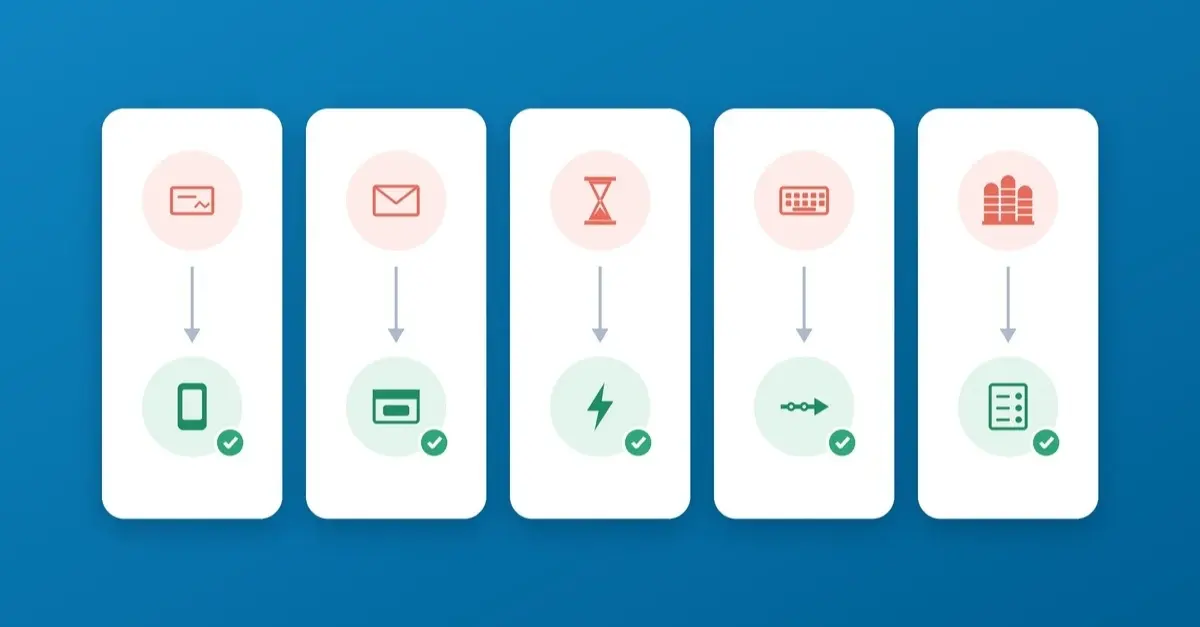
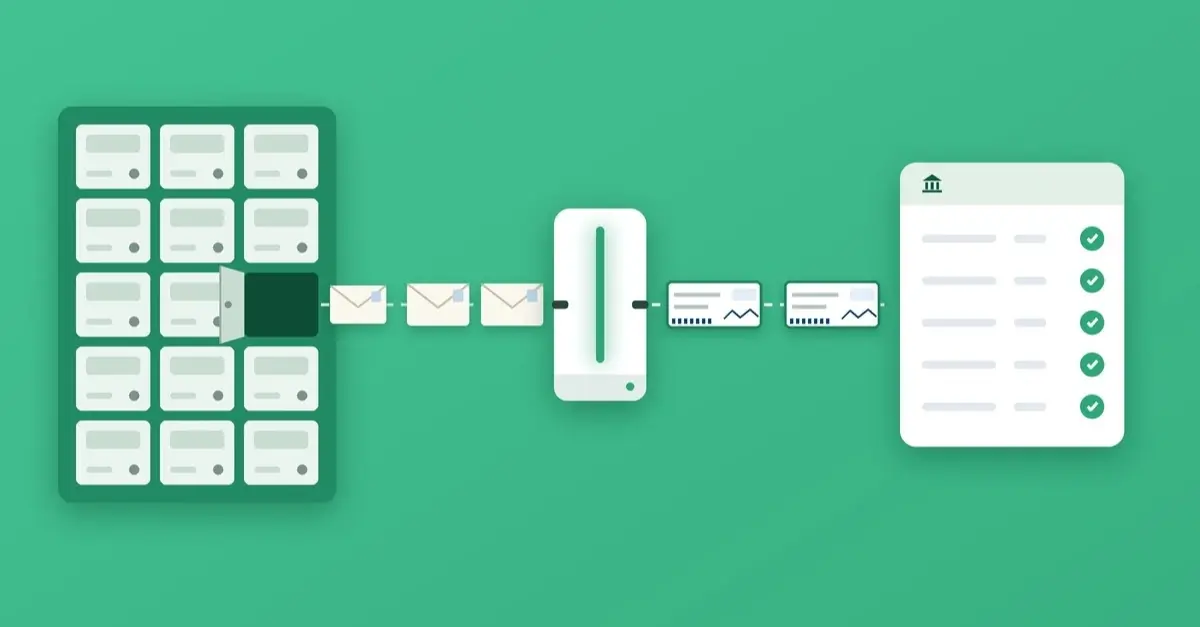
If your Days Sales Outstanding (DSO) keeps creeping up, the fastest fix usually isn't chasing customers harder. It's fixing how your team turns incoming payments into applied cash. In most B2B finance operations, DSO climbs not because customers pay late, but because remittance data is scattered across emails, PDFs, and paper checks, and nobody can match it to the right invoice fast enough. Close that gap and DSO often drops without a single collections call.
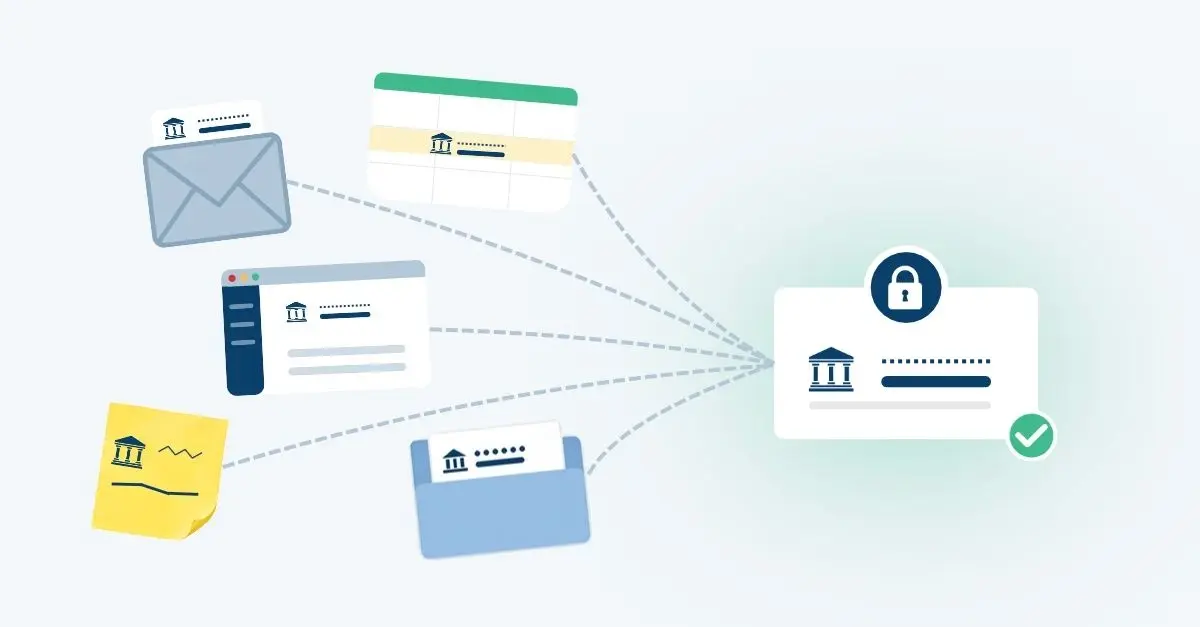
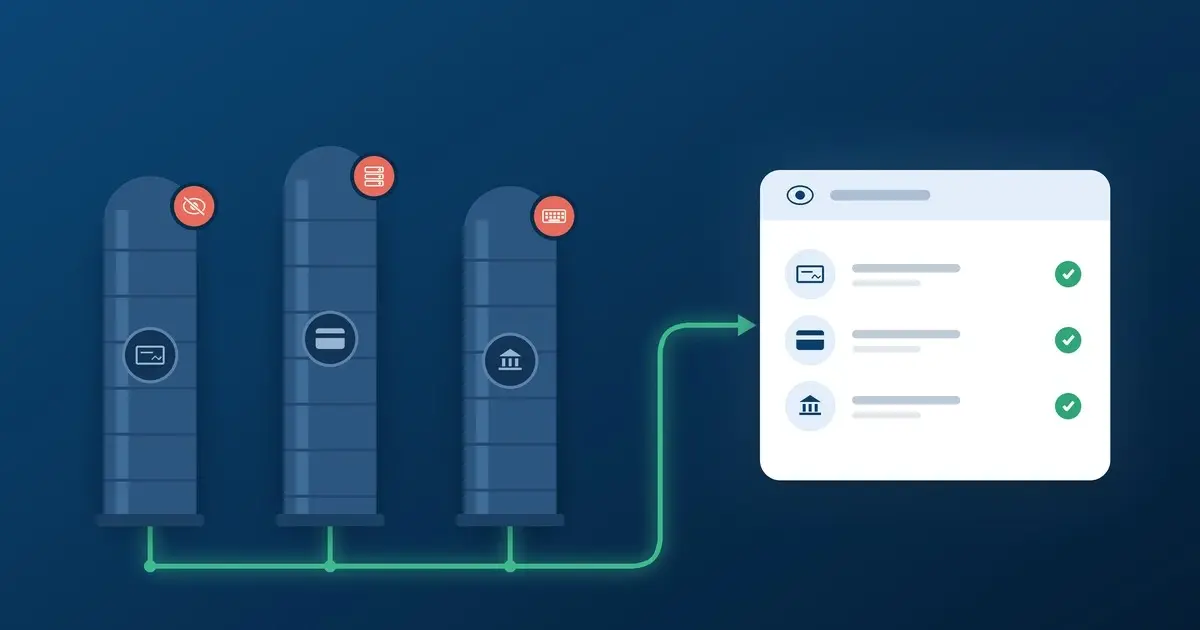
disconnected-ar-ap-bank-spreadsheet-systems-around-erp

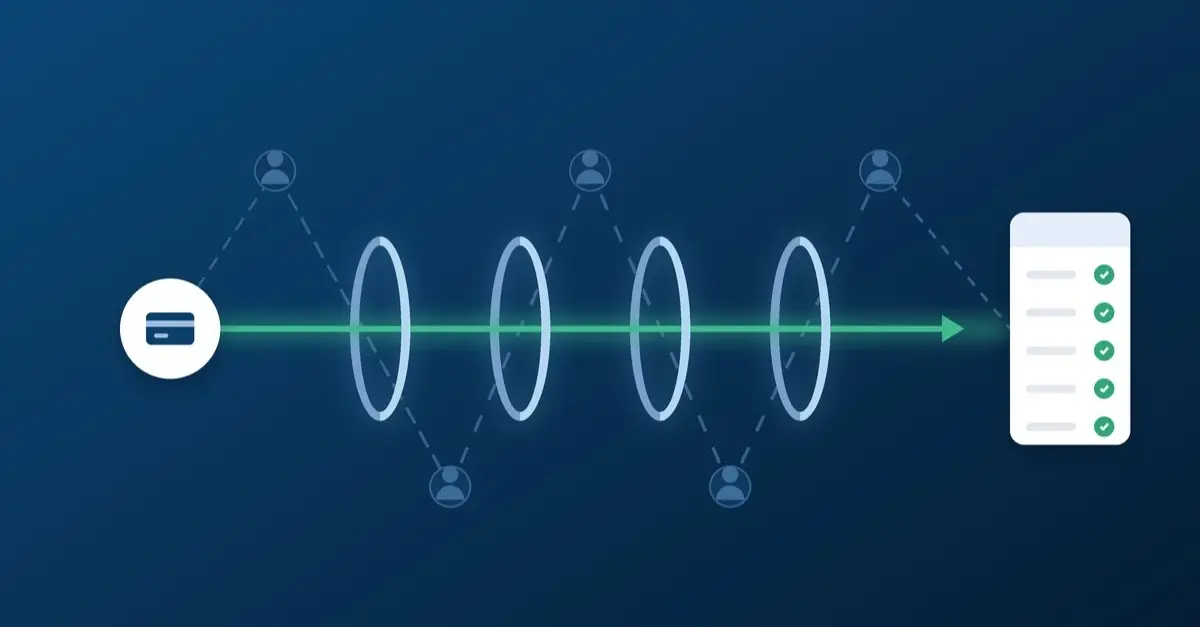
Why Disconnected Payment Systems Slow Down Finance Teams

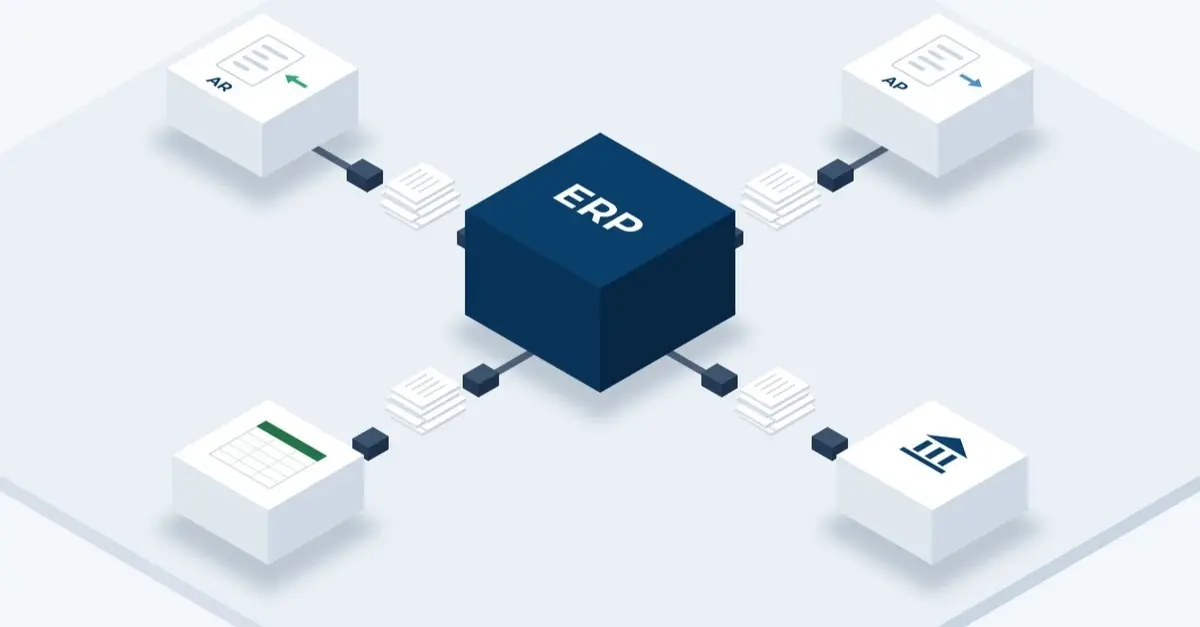
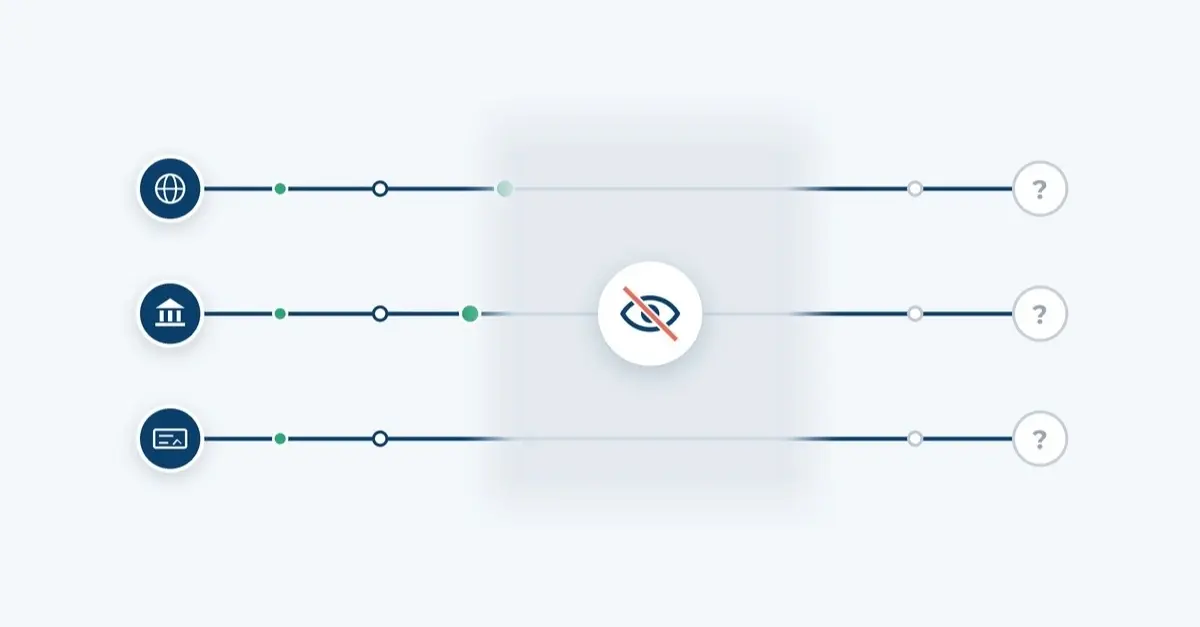
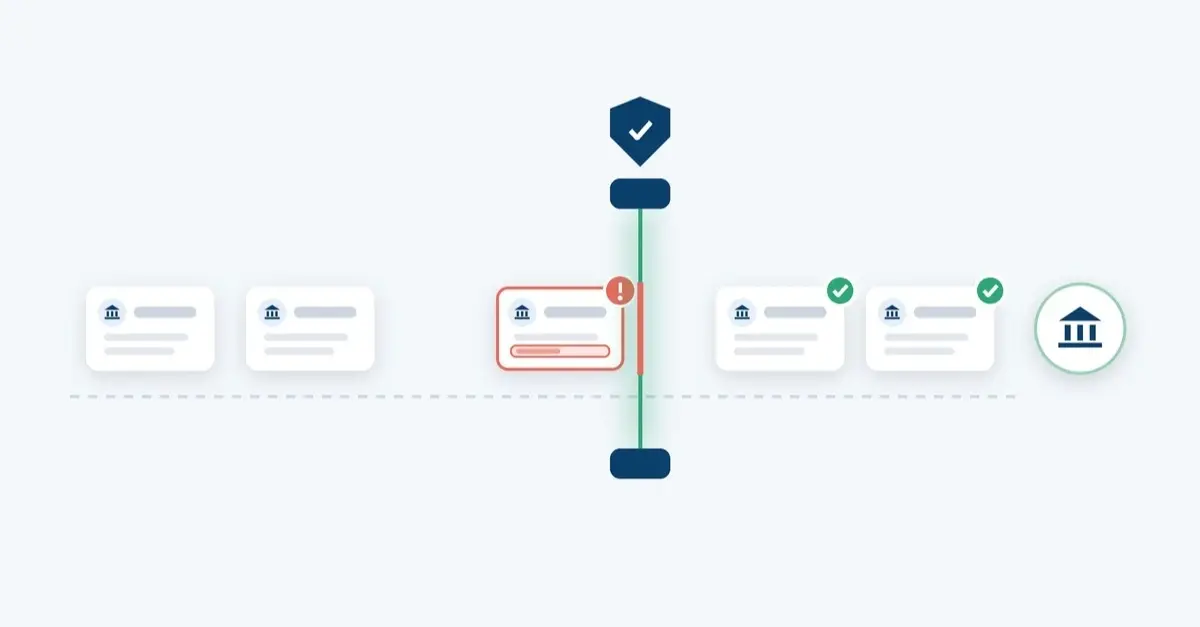
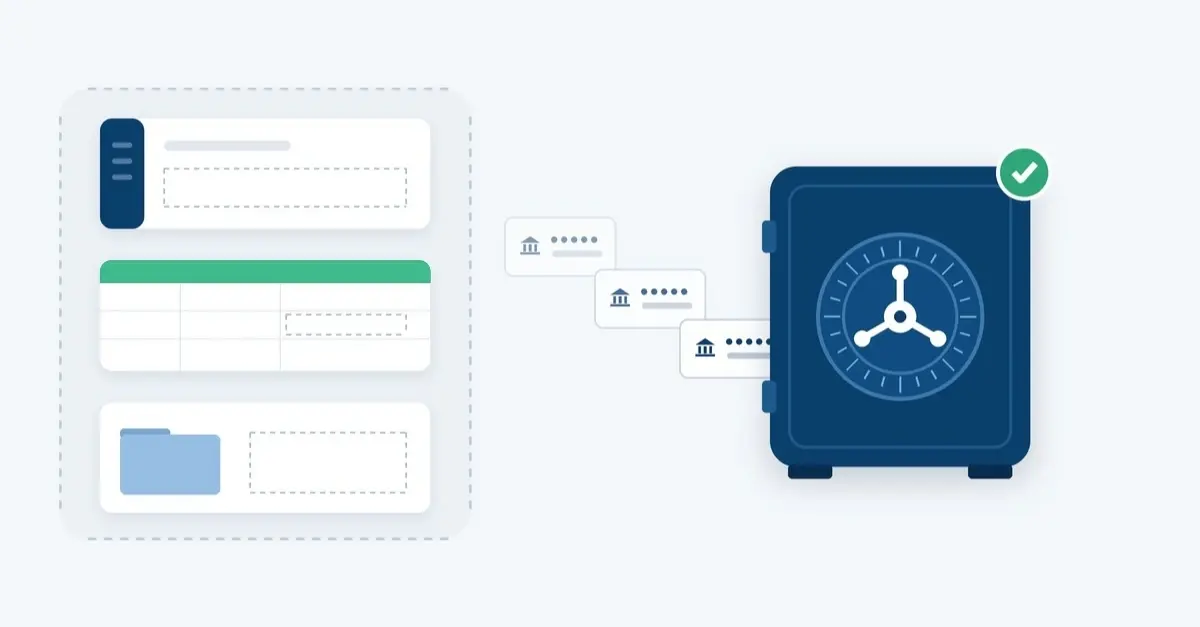
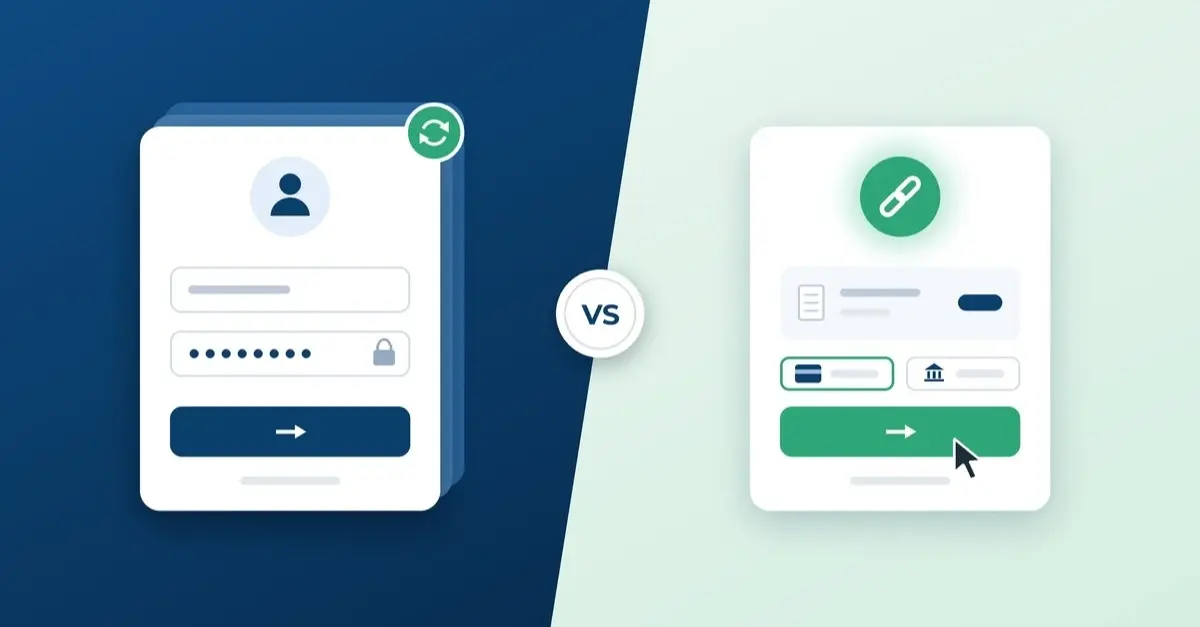
Disconnected payment systems slow finance teams down because every additional system, bank portal, or manual handoff adds delay, increases the chance of error, and chips away at real-time visibility into cash position. Most finance teams lose track of payments because their systems were never designed to talk to each other in the first place. A wire moves through one process, an ACH through another, a check through a third, and each one lives in its own disconnected system. Nobody can see the ...

how-manufacturing-finance-teams-can-spend-less-time-chasing-payments

How Manufacturing Finance Teams Can Spend Less Time Chasing Payments

For many manufacturing finance teams, chasing payments has become part of the daily routine. Outstanding customer invoices, partial shipments, supplier inquiries, payment exceptions, and manual reconciliation consume valuable time that could be spent on forecasting, improving cash flow, or supporting business growth. The challenge isn't simply that payments take time. It's that manufacturing payment processes are often fragmented across multiple systems, suppliers, currencies, and financial ...

how-financial-institutions-can-offer-cross-border-payments

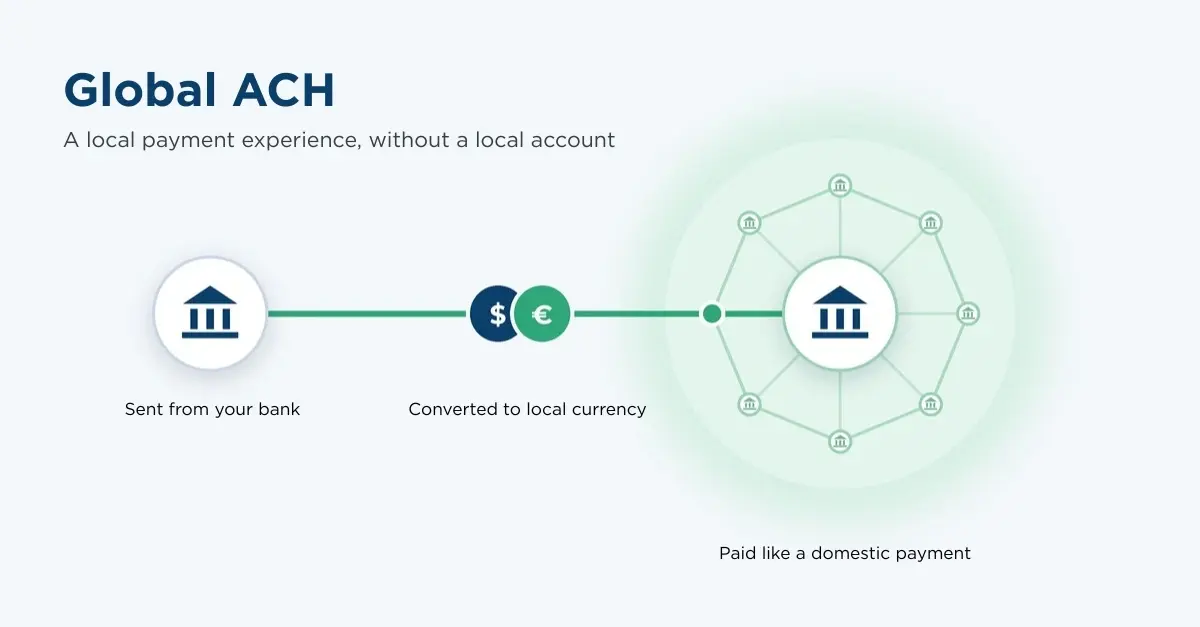
How Financial Institutions Can Offer Cross-Border Payments

Financial institutions are under increasing pressure to offer fast, transparent, and digital cross-border payment services. Customers expect international payments to be as simple as sending money domestically, while fintech providers continue raising the standard with intuitive user experiences, competitive pricing, and faster delivery times. The challenge is that building a global payment infrastructure from the ground up is expensive, complex, and often unrealistic for many banks, credit ...

how-to-reduce-foreign-exchange-costs-when-paying-international-suppliers

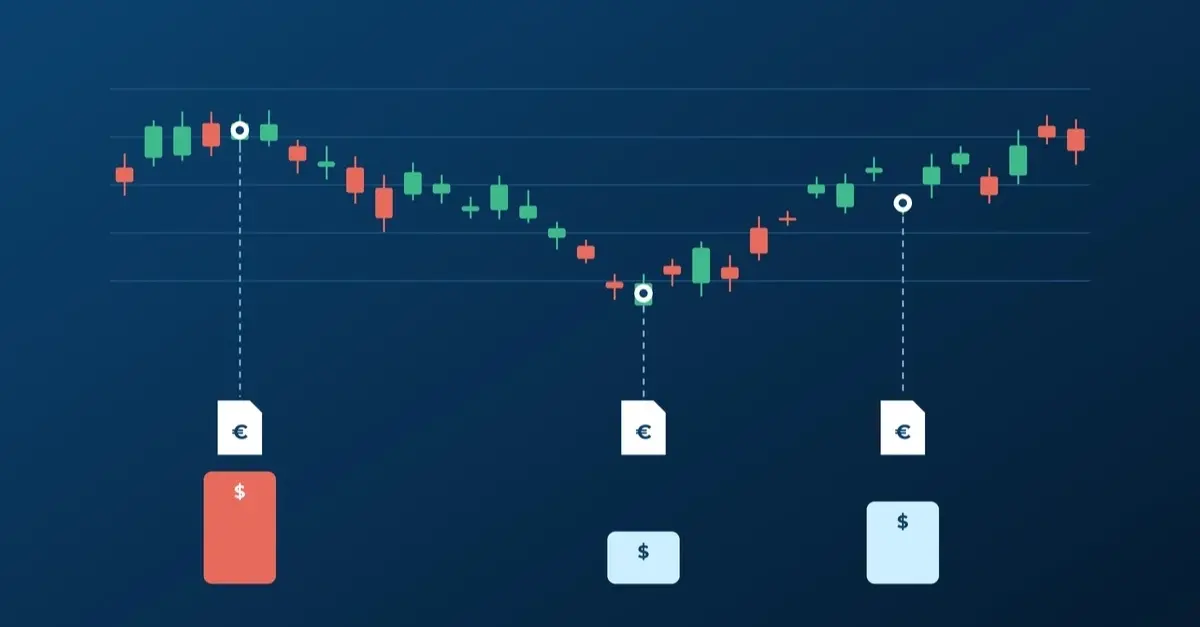
How to Reduce Foreign Exchange Costs When Paying International Suppliers

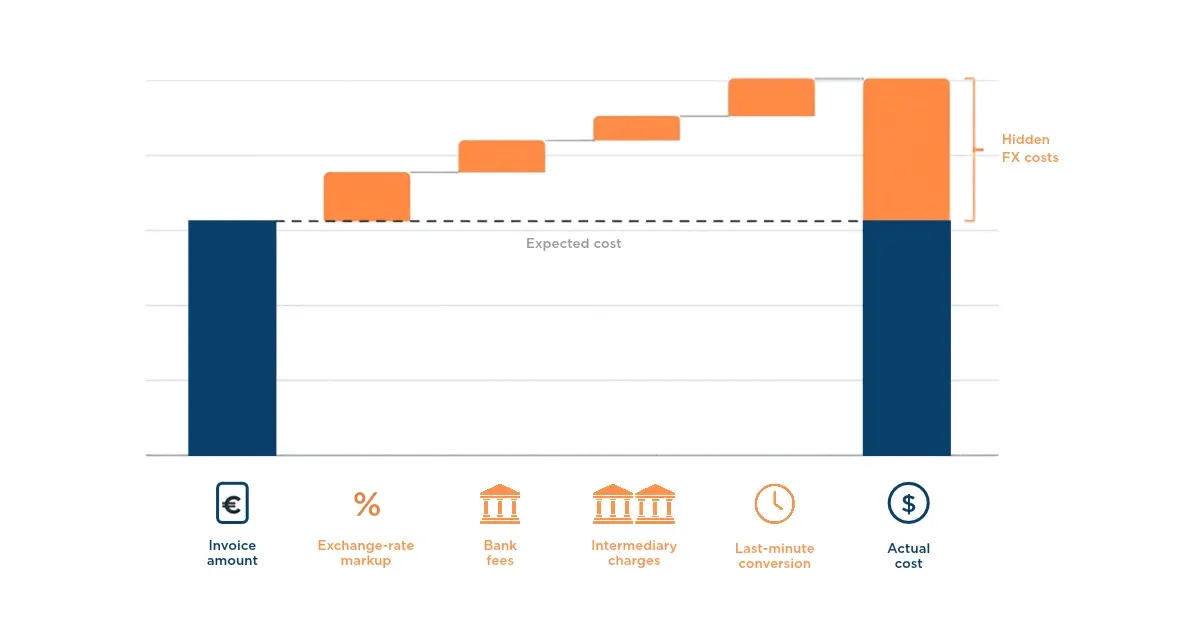
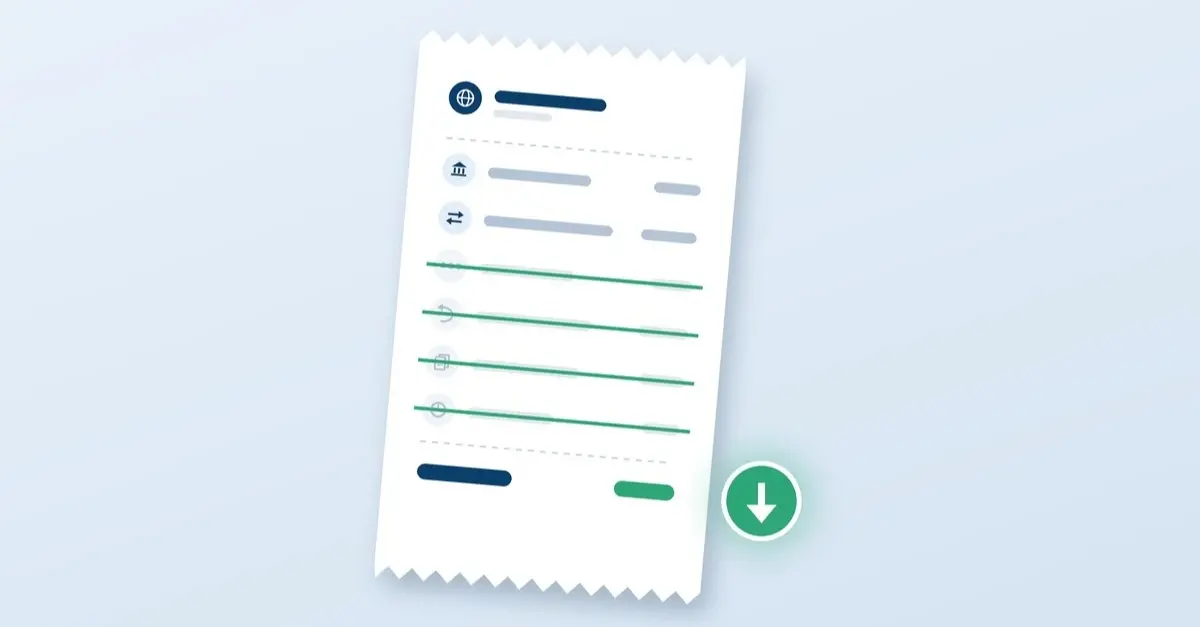
If your business regularly pays suppliers, contractors, or partners overseas, managing foreign exchange (FX) costs should be part of your financial strategy. Exchange rates fluctuate constantly, and even small movements can significantly impact margins, cash flow, and budgeting. The good news is that businesses can take practical steps to reduce these costs and minimize currency risk without making international payments more complicated.

vendor-receives-less-in-usd-and-full-amount-in-local-currency

Advantages of Paying Vendors in Local Currency vs. USD

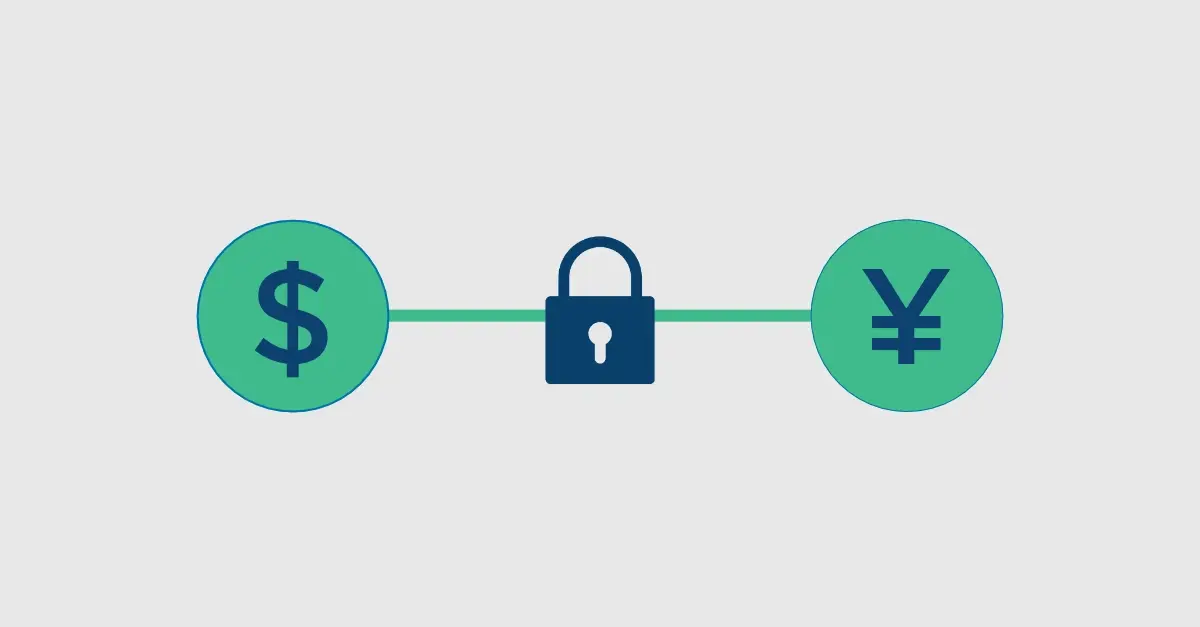
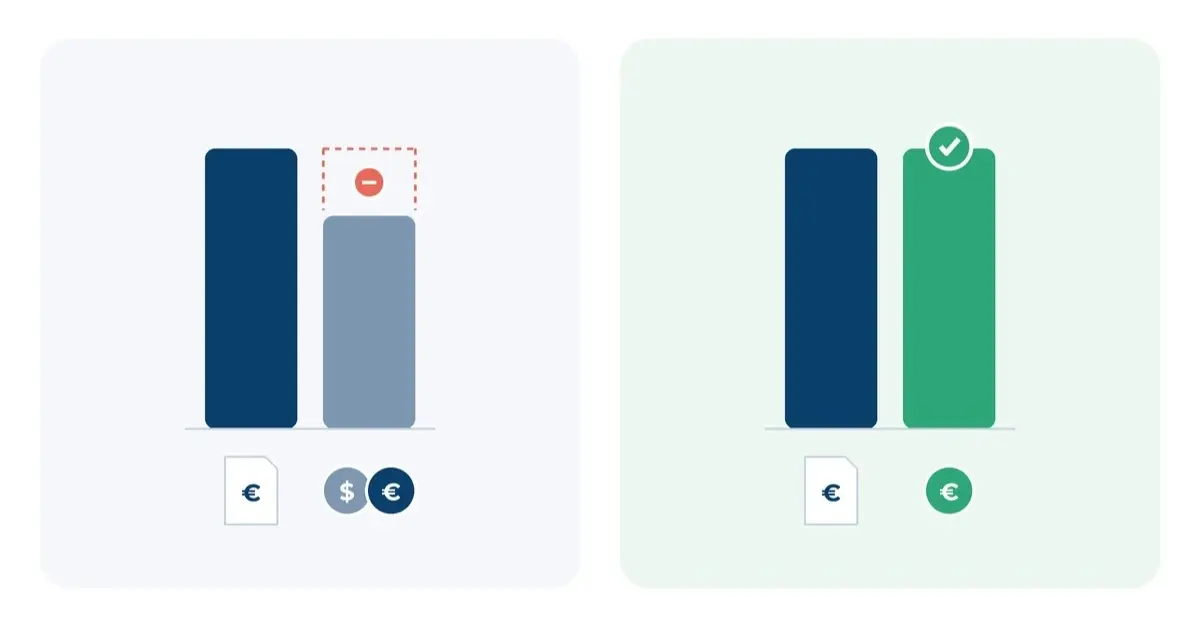
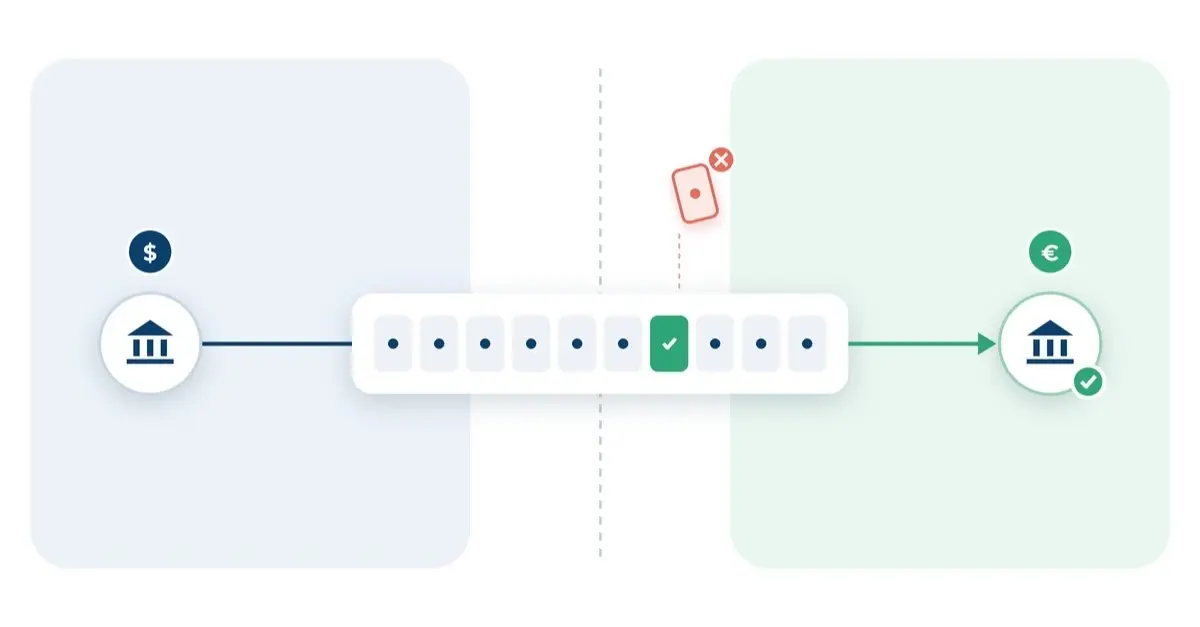
Why should I pay in my vendors' local currency vs USD? When you wire USD to an overseas supplier, their bank performs the currency conversion at its own rate, with fees baked in on both sides that neither you nor your vendor agreed to and neither of you can see. The result is a transaction where both parties absorb costs that were never part of the original agreement. Paying in your vendor's local currency changes that dynamic entirely. You control the conversion, the rate is agreed upfront, ...

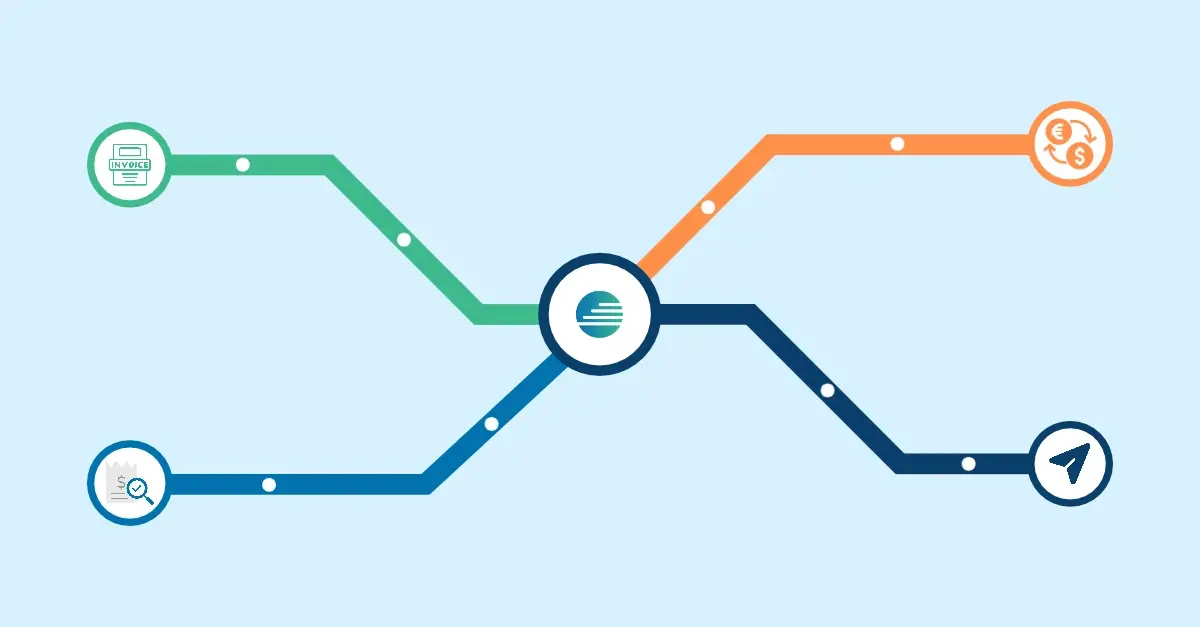
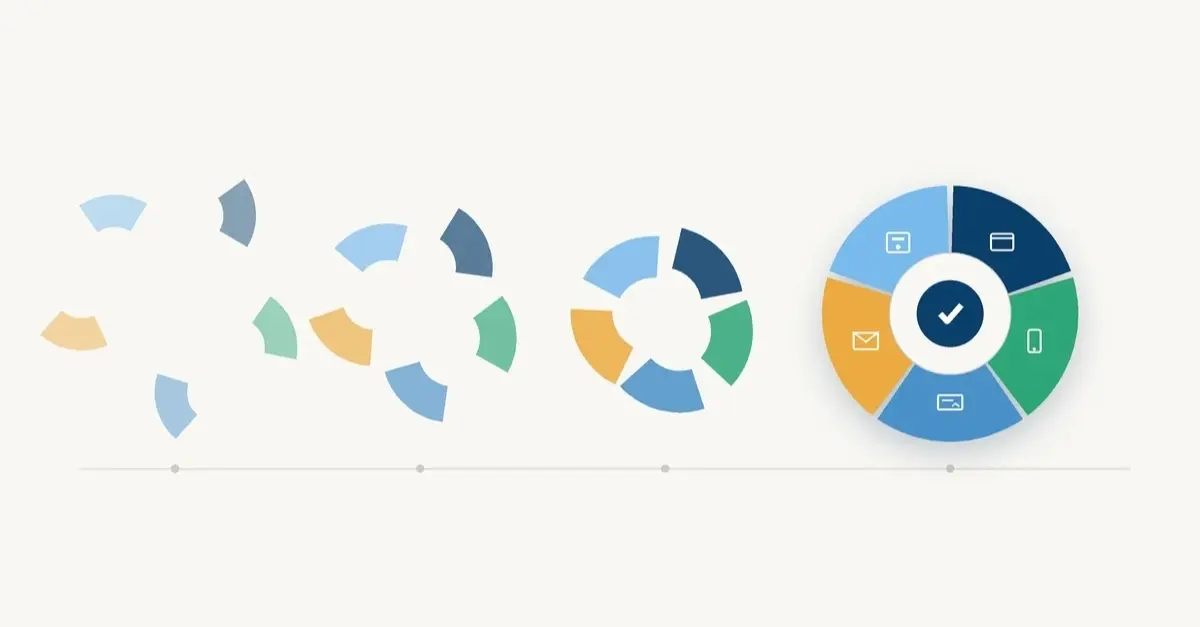
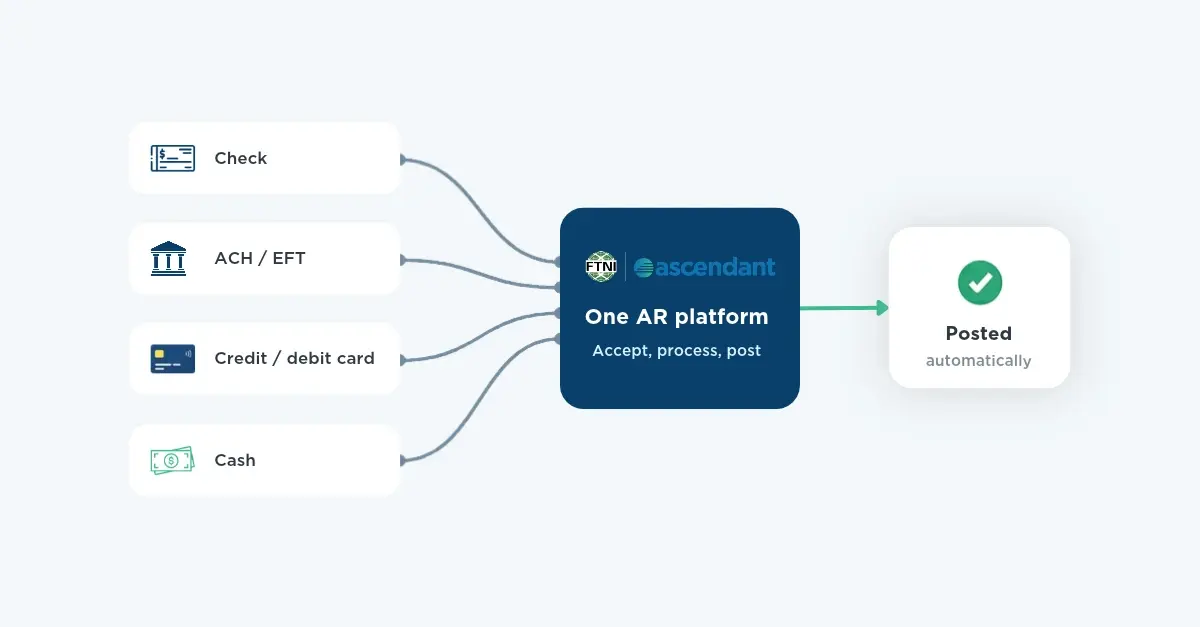
fragmented-payment-channels-forming-one-unified-platform

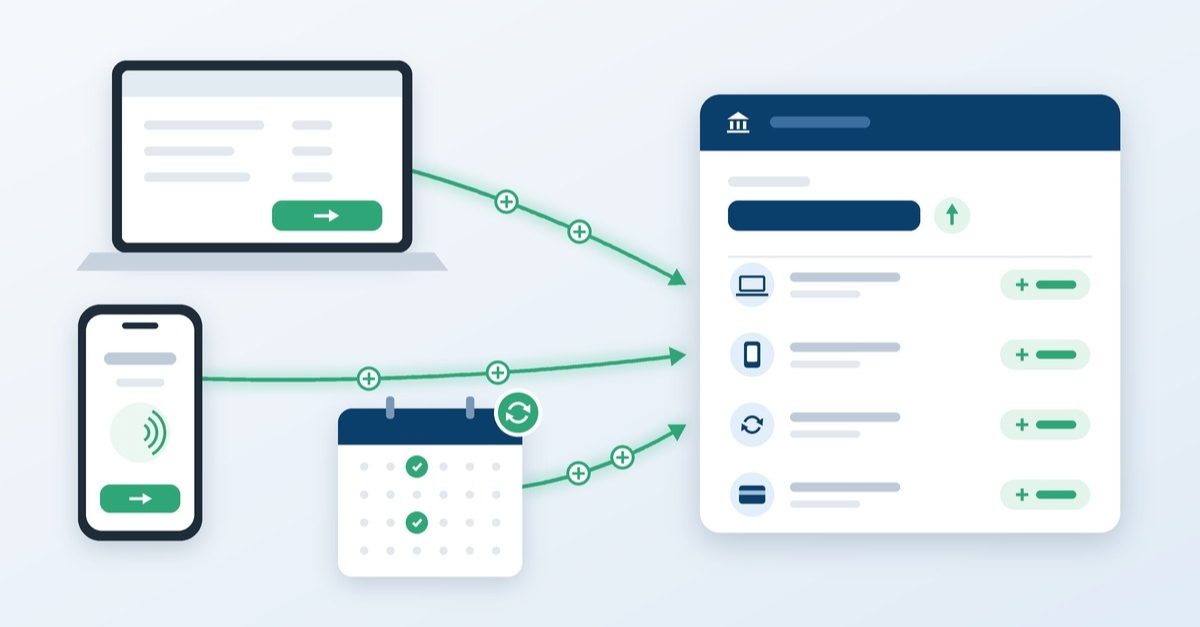
Automation is Reshaping B2B Receivables: 3 Lessons from 2025 and What’s Ahead for 2026

In 2025 AR Automation Proved Its Value For years, the finance world has talked about the digital transformation of accounts receivables (AR). According to research from PYMNTS, nearly 70% of businesses accelerated payments with AR automation tools during the year.¹ That shift was driven by necessity as much as innovation. Manual processes simply can’t keep up with economic and operational challenges. Despite automation’s rise, inefficiencies remain. Studies find that 39% of B2B invoices in the ...

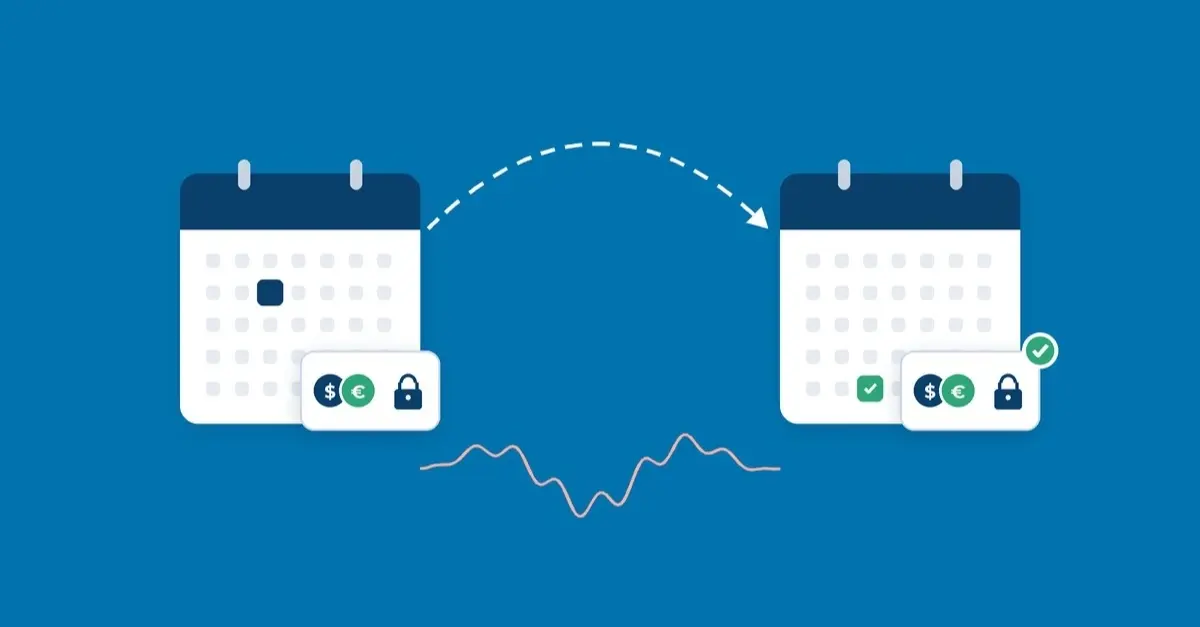
exchange-rate-locked-today-and-carried-to-future-settlement-date

Forward Contracts Explained: How They Work, Who Should Use Them & Key Benefits

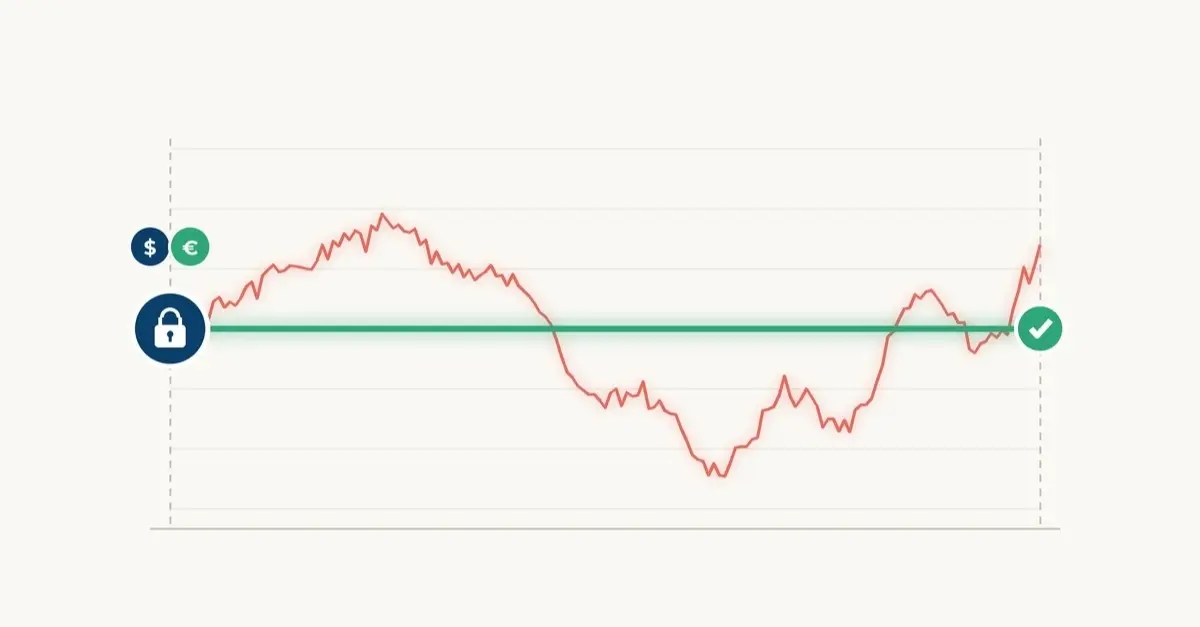
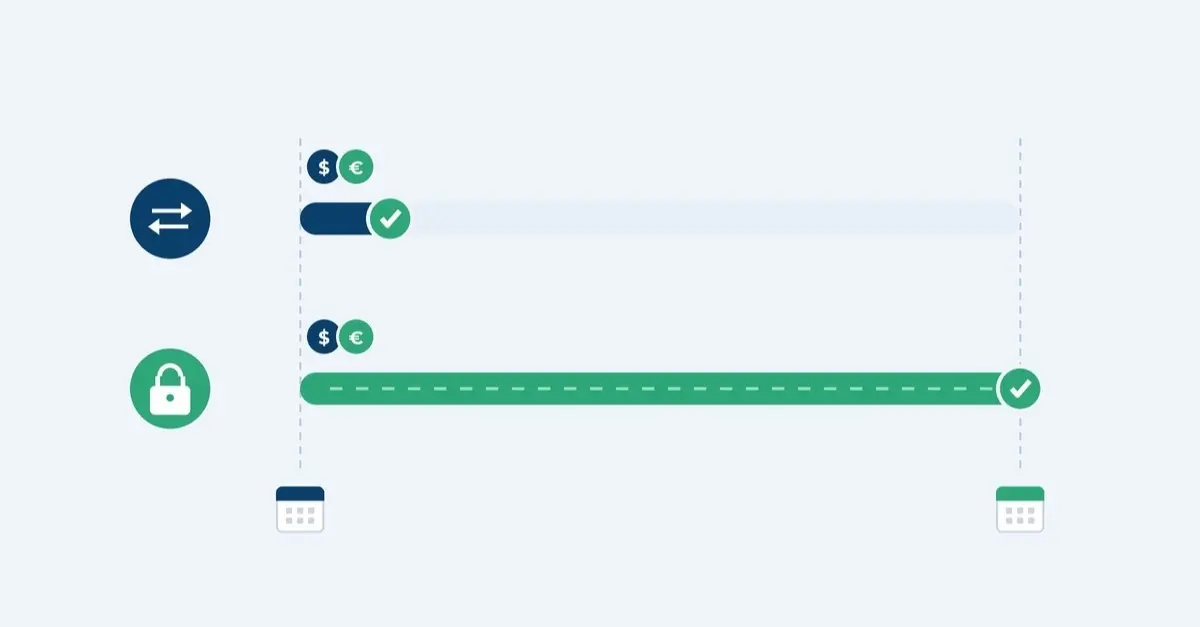
Managing foreign exchange (FX) risk is essential for any business engaged in international trade. Currency values can shift dramatically between the time you agree to a transaction and when payment is made or received, often impacting profitability. Forward contracts provide a reliable way to safeguard your business from these fluctuations by locking in today’s exchange rate for a future date. This not only protects your margins but also ensures greater certainty in budgeting and cash flow ...

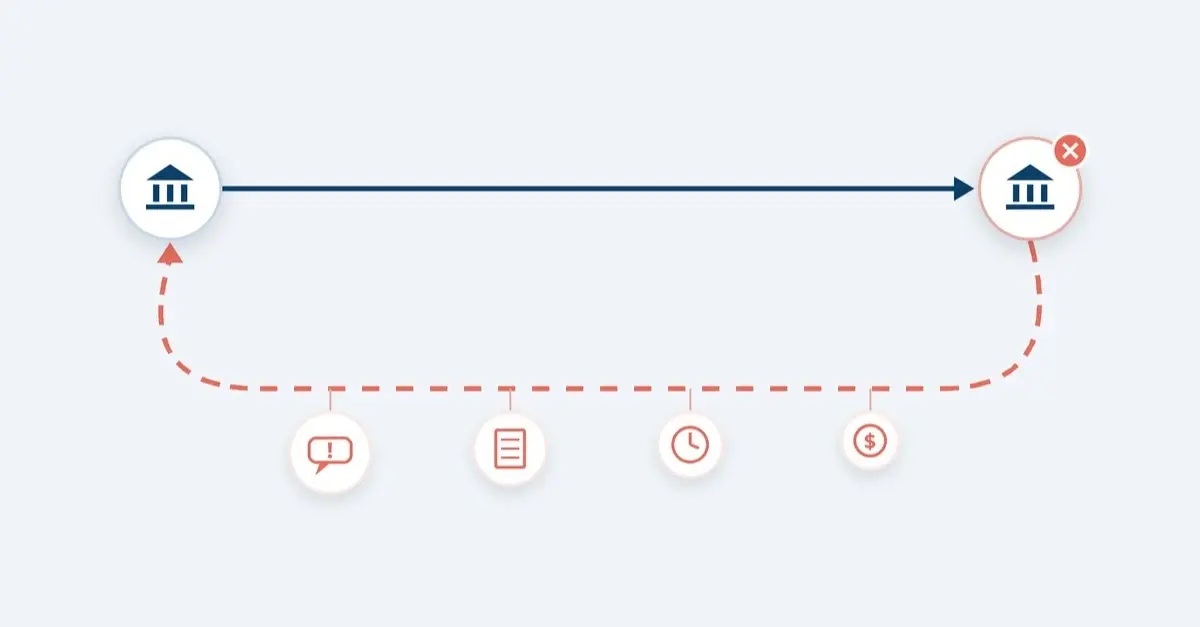
returned-payment-bouncing-back-with-fees-time-rework-and-vendor-issues

The Hidden Cost of Returned Payments

Returned payments aren’t just a nuisance. They’re a silent drain on time, money, and trust. Most failed international payments come down to one root cause: inaccurate or incomplete vendor data. By validating payee information before funds move, finance teams can cut return rates to near zero and reclaim hours each week lost to rework. Why Returned Payments Are More Than Just Annoying Every finance team has experienced it: a vendor payment bounces back, and suddenly the clock starts ticking. ...

spot-ex-change-settling-now-vs-forward-locking-todays-rate-until-future-date

Spot vs Forward Contracts: Manage FX Risk & Protect Margins

In volatile currency markets, your foreign exchange (FX) strategy can mean the difference between protecting your margins and watching them disappear. Spot and forward contracts are two of the most effective tools for managing FX risk—but knowing when to use each can help you take control of your costs, protect your cash flow, and plan with confidence. The FX Challenge for Global Businesses If your business sends or receives payments in foreign currencies, you’ve likely felt the sting of market ...

one-business-paying-vendors-worldwide-in-their-own-currencies

How to Streamline Your International Vendor Payments

For finance and operations leaders, international vendor payments are often a source of friction. Manual processes, time zone differences, and regulatory complexity can quickly drain your team’s resources. The good news: streamlining your global payment process doesn’t require a big investment in headcount or IT. With a few targeted changes, your finance team can work smarter, reduce errors, and pay vendors on time—every time.

same-euro-invoice-costing-different-amounts-as-rates-move

How Market Volatility Impacts Your International Payments

Market volatility isn’t just a headline—it’s a real risk for any business moving money across borders. When FX rates swing, interest rates spike, or trade policy shifts overnight, your international payment costs, timing, and compliance risks can all change in a matter of hours. In this guide, we’ll walk through what volatility means for payment operations, what questions finance leaders should be asking, and how to build resilience into your payment workflows—so you can focus on growth, not ...

radar-tracking-real-time-payments-ai-iso-20022-and-blockchain

The Future of Cross-Border Payments: Trends and Technologies to Watch in 2025 - Ascendant International Payments

The Evolving Landscape of Cross-Border Payments Cross-border payments are entering a new era. For businesses of every size, sending money internationally isn’t just about wiring funds—it’s about speed, accuracy, compliance, and keeping costs in check. In 2025, innovations like real-time rails, automatic payment processes, and AI are fundamentally reshaping how money moves across borders, creating both opportunities and new challenges.

payment-held-at-tariff-barrier-with-extra-paperwork-fees-and-delays

The Impact of 2025 Tariffs on Cross-Border Payments - Ascendant International Payments

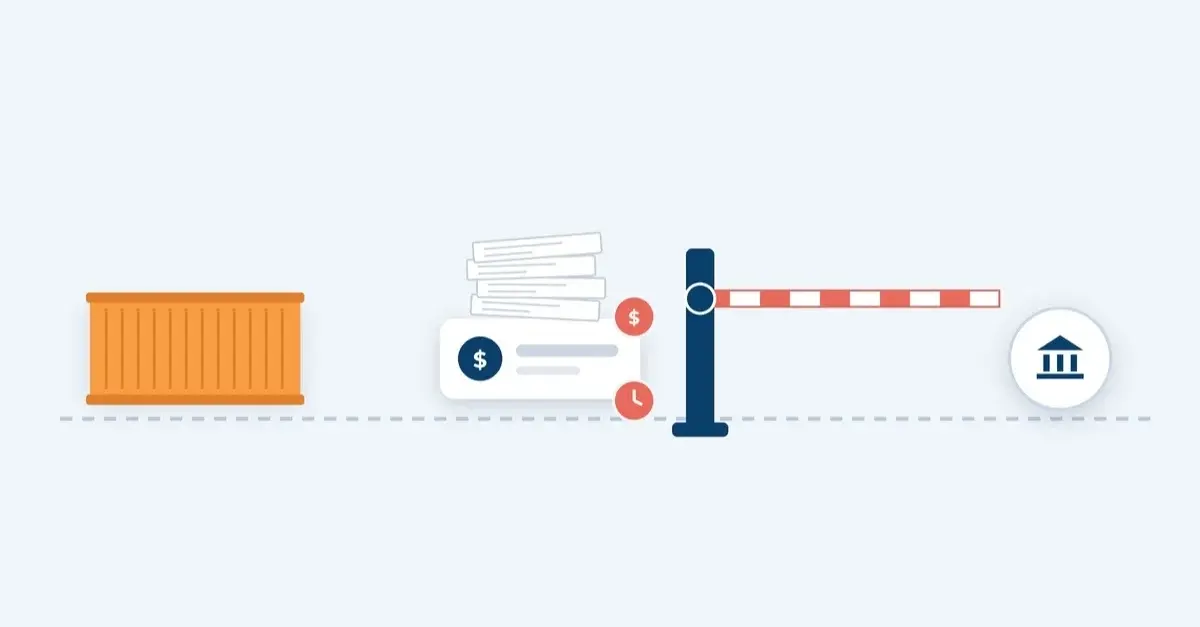
New 2025 tariffs are shaking up global trade and, with it, the cost and complexity of international payments. Businesses can’t afford to wait and see. Here’s what’s changed, what it means for your bottom line, and what you can do right now to protect margins and keep payments flowing. What’s Changed With 2025 Tariffs? 2025 brought sweeping tariff updates across major trade corridors. Several governments have imposed or adjusted tariffs on goods and services, targeting key sectors like ...

customer-choosing-their-preferred-payment-method-from-several-options

The Customer is Always Right: Adapting to Evolving Customer Payment Preferences within Your Organization

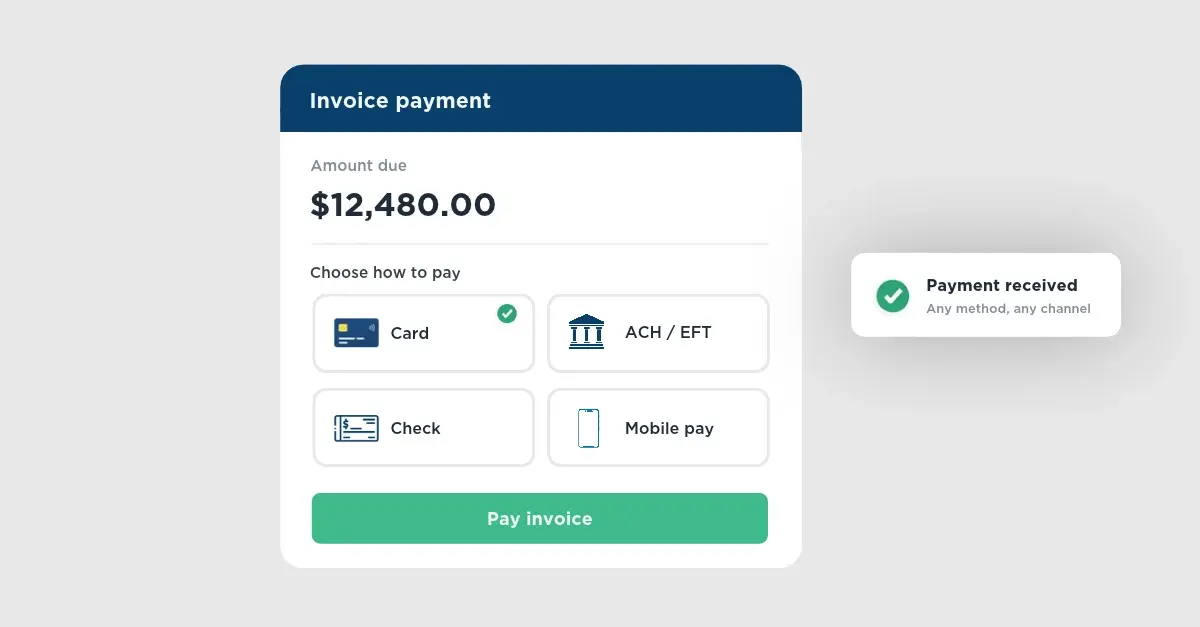
“The customer is always right” — a timeless adage that we’ve all heard before. Even though it most often refers to the customer service industry, it also rings true for the B2B payments landscape. Customers’ payment preferences directly affect and influence the evolution and adoption of different payment methods and channels within companies' accounts receivable (AR) and back-office payment processing operations.

paper-invoice-turning-into-an-online-invoice-with-payment-options

A Paperless Perspective: Electronic Invoicing & Online Payment Acceptance

Over the past several years, B2B payment processing operations have significantly shifted from paper-based payment methods and channels, to electronic. No doubt, the COVID-19 pandemic catalyzed many companies to rethink how they accept payments. Even more recently, new technologies and payment solutions entering the accounts receivable (A/R) and B2B payment processing landscape have played a major role in the growth of online payment acceptance and electronic invoicing adoption within many ...

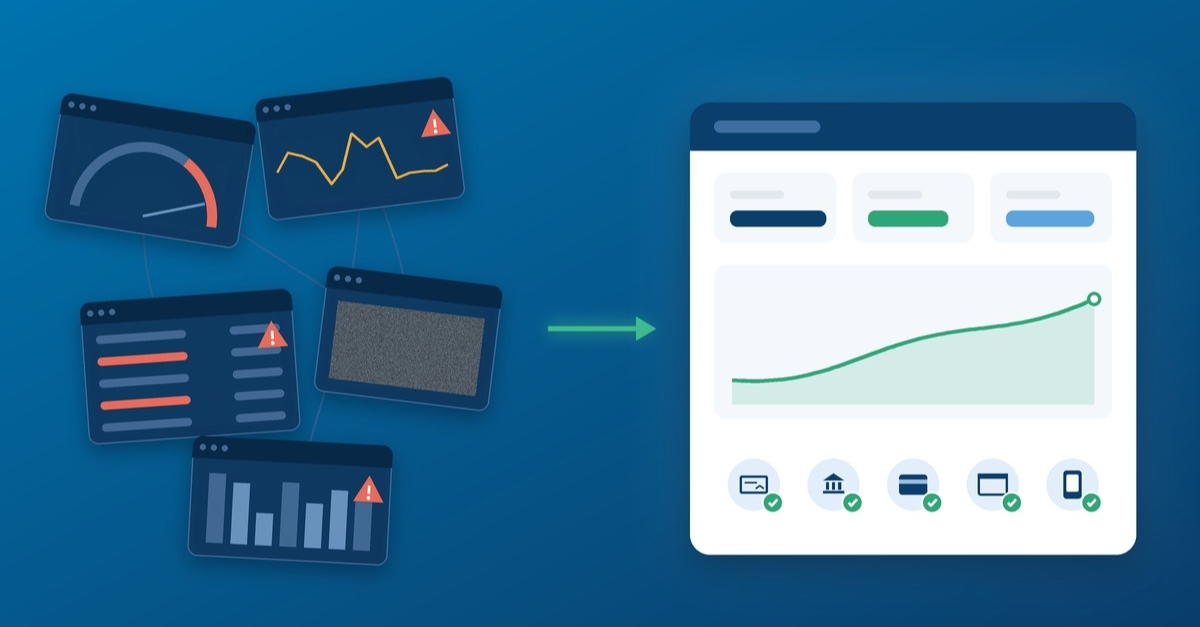
cluttered-error-filled-legacy-dashboards-replaced-by-one-unified-ar-dashboard

Devilish Dashboards & Spooky Systems: How A/R Automation Can Fix These Ghastly Inefficiencies

Boo! Halloween is just around the corner, and we thought it’d be the perfect time to scare away those ghastly legacy systems and devilish dashboards that are haunting your back-office accounts receivable (A/R) operations. So fear not as we uncover how modern A/R automation software can banish your back-office fears, and ensure a ghoulishly good time for your payment processing and cash application operations.

balance-scale-weighing-ar-automation-benefits-against-challenges-tipping-toward-benefits

The Benefits, and Challenges, of Automating Your A/R Operations. How to Decide the Right Solution for Your Business

The way businesses manage payment acceptance and processing within accounts receivable (A/R) operations is constantly evolving. And, for every business, this constant evolution brings new benefits, but can also present some challenges for A/R operations and processes. Many businesses haven’t kept pace with the new technology and solutions entering the payments landscape, and have instead cobbled together multiple, siloed legacy systems and dashboards to manage their receivable processes. With ...

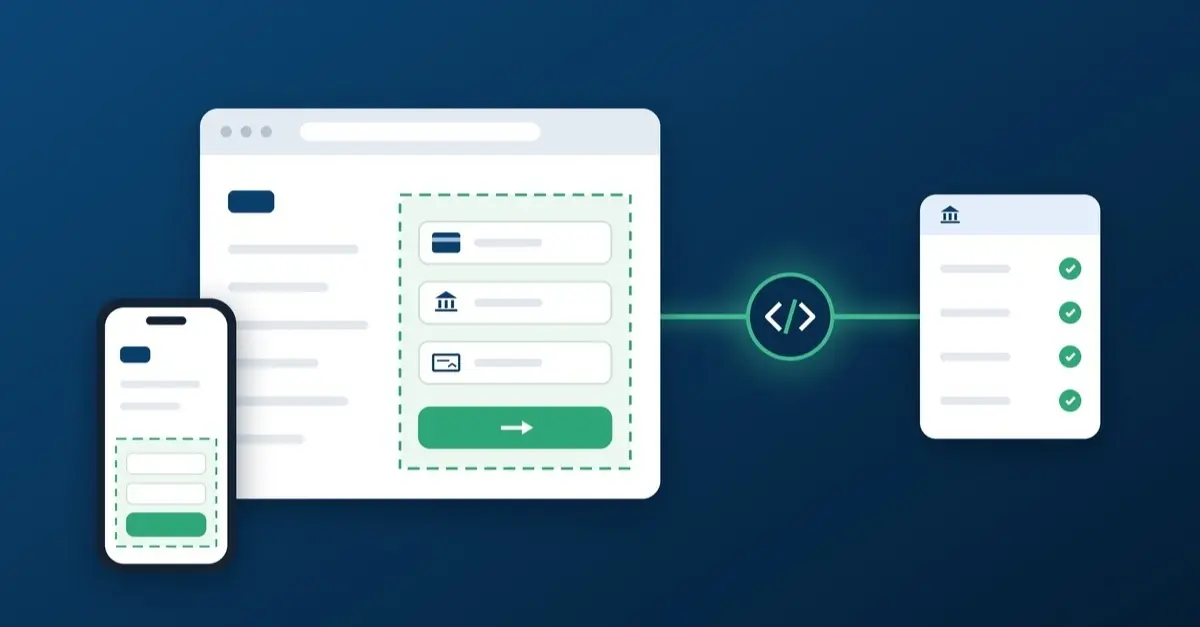
payment-acceptance-embedded-in-business-website-and-app-connected-by-api-to-back-office

Why APIs? 4 Ways Embedded Payment Acceptance Technology Can Help Your Business’s Accounts Receivable Operations

In today’s digital age, payment acceptance technology across the B2B landscape has increasingly evolved to fit the demands of businesses and customers alike—pushing electronic payment methods and channels to the forefront across businesses’ accounts receivable (A/R) and payment processing operations. This rapidly changing technological landscape has brought on an evolution of new payment technologies including the ability for businesses to seamlessly embed payment acceptance capabilities into ...

Accounts Receivable Technology Trends for 2022 & Beyond

The Modernization of Check Acceptance, Proliferation of Electronic Payments, Automated Cash Application & What It All Means for Your A/R Operations “Out with the old, in with the new.” While this common phrase may apply to most things in our consumer lives—updating to the newest iPhone release, trading your gas-powered car for a hybrid or electric vehicle, or always moving on to the “bigger and better” version of something—it most certainly doesn’t pertain to the paper check, across ...

The Evolution of Distribution Accounts Receivable Operations

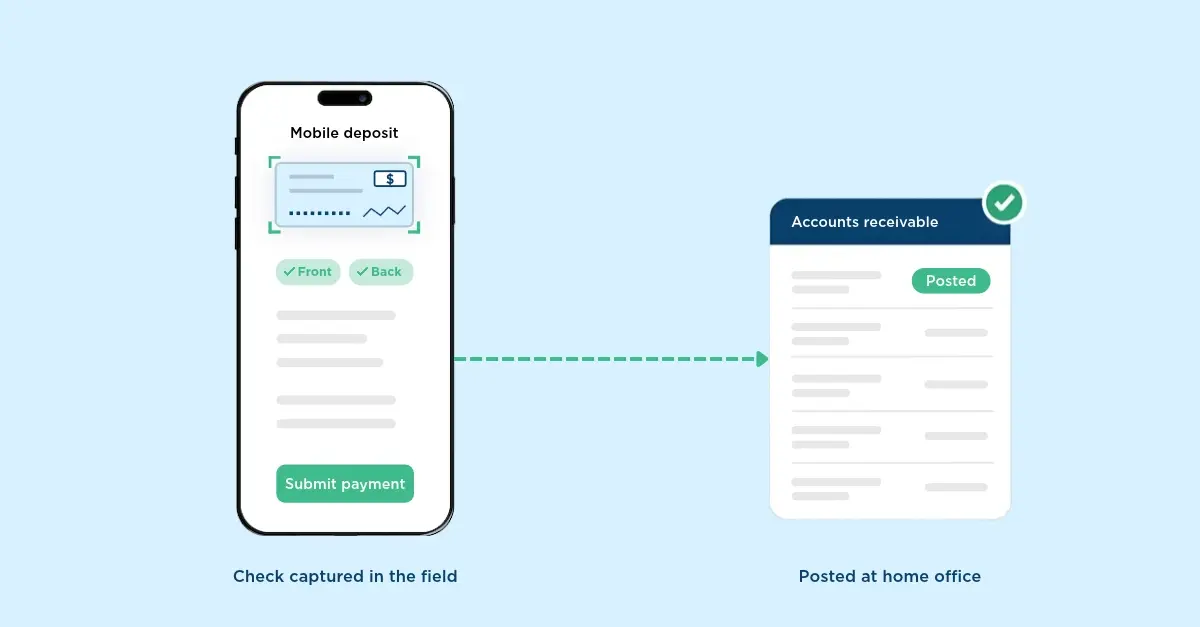
Checks Changing Channels, Online Payments Proliferation, Automated Cash Application & How Integrated Receivables Brings It All Together Checks (yes, you read that correctly, it says “checks”) continue to be a leading payment method within the B2B payments space. Even though the future of payment acceptance is undoubtedly trending towards electronic payment methods, checks are, and will continue to be, the foundational payment type for businesses and their accounts receivables (A/R) ...

Fin + Tech | Partnership Models for Financial Institutions to Deliver Truly Integrated Receivables Solutions

There is no “one size fits all” when it comes to accounts receivables (A/R) operations; largely because no two businesses are alike. The historical use of numerous, disparate systems and software (i.e. “silos”) that have been supplied by banks and software providers have resulted in an abundance of manual processes and ever-increasing costs. Not surprisingly, businesses are increasingly searching for ways to streamline and automate their receivables operations and processes.

5 Things True Integrated Receivables Is, and 5 Things It Isn't

Over the last decade, “Integrated Receivables” has generated quite a bit of buzz, not only in the Fintech landscape, but also within numerous industries where integrated solutions have been proven to help companies modernize accounts receivables (A/R) operations, decrease DSO, increase cash flow, and much more. But, as integrated receivables has risen to the spotlight to help automate and streamline business operations, so too have companies disguising dashboard-driven solutions that are really ...

How Integrated Receivables Solutions Help A/R Operations Thrive in a Time of Hyper Disruption

These are truly unprecedented times. Things that were our collective 'normal' only matter of weeks ago, now seem like distant memories. Businesses, educational systems, entire governments—our routine daily lives—have all been disrupted by an invisible force that virtually none of us could've ever been completely prepared for. But in the words of Albert Einstein, "In the middle of every difficulty, lies opportunity." We are very much in the middle of a time of great difficulty. But there is no ...

Integrated Receivables: Six Tips to Help Your A/R Operations Adapt and Evolve

What Charles Darwin had to say about the evolution of species applies to business enterprises as well: adaptability is key to survival. Consider accounts receivable (A/R) operations. The proliferation of check payments during the 20th Century led many businesses down the path of automation, in the form of lockboxes (managed in house or outsourced), which helped to reduce costs by compressing collection cycles and eliminating labor-intensive processing steps. By the turn of the 21st Century, ...

A Distributor's Commitment to Doing ‘Whatever it Takes’ Improves A/R Efficiencies

Tankersley Foodservice is committed to doing “Whatever it Takes” for customers. That includes offering an array of payment options and assurances that payments get posted to accounts quickly and efficiently within their back-office system. By implementing an integrated receivables solution, Tankersley has been able to stay true to that mission while driving significant internal efficiencies.

The Journey to Attaining the “Holy Grail” of A/R – Straight Through Processing

Many people want to achieve 'straight-through processing' (STP), but what does that really mean? As we’ve pointed out in previous posts, STP is considered by some to be the “Holy Grail” or even “manna from heaven” for corporate treasurers, and we believe rightly so. Imagine being able to keep your internal resources focused on the highest value functions and exceptions while automated business rules streamline everything else. Imagine how different your accounts receivables (AR) operations ...

ACH Processing 101: A Beginner's Guide

Originally published on 2/10/2014. Updated on 2/16/2022. What Is ACH? ACH (Automated Clearing House) is a nationwide electronic funds transfer (EFT) network that processes large volumes of transactions involving credit or debit. The ACH is a private system that facilitates the secure transfer of electronic payments by connecting to financial institutions throughout the United States. How Does ACH Payment Processing Work? The Receiver is the first step in the process of a transaction involving ...

Modernize your international payments today

Talk to our experienced team to find out how we could help your business.