Every country has its own banking requirements: A payment to India requires an IFSC code. Mexico requires an 18-digit CLABE. Germany requires an IBAN and BIC. Brazil requires a CPF or CNPJ, a bank code, and an agency number.
Requirements change with the payment method, too. A wire to Australia routes on a SWIFT code. A local payment into Australia routes on a six-digit BSB code. If your process only knows wire fields, every new way to pay is a new way to get the details wrong.
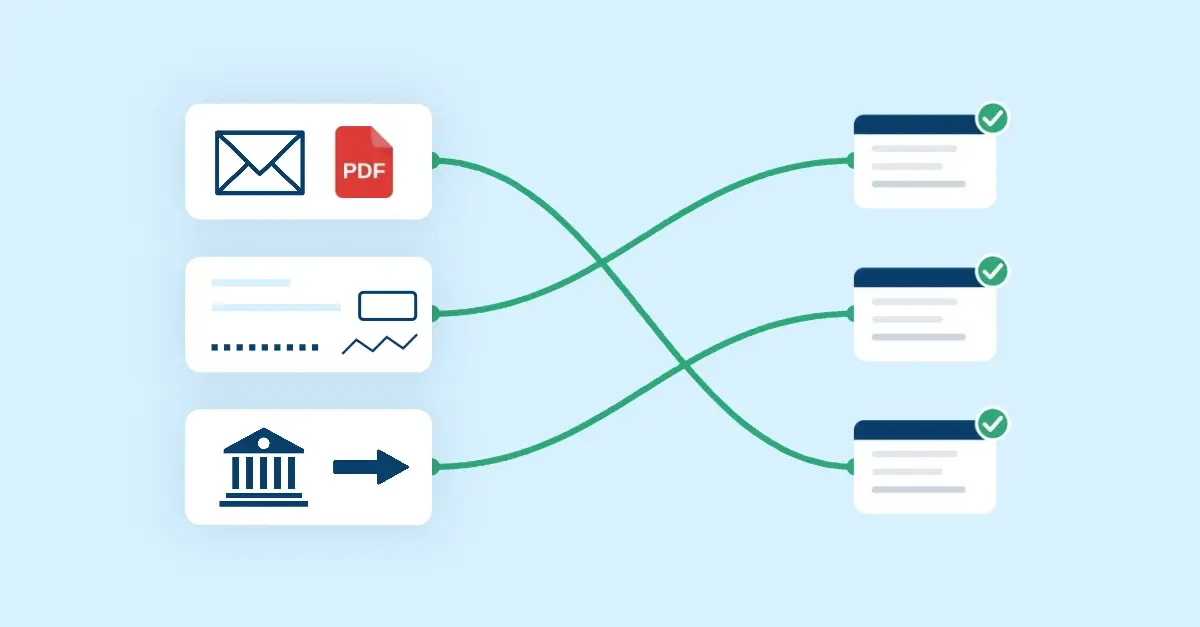
Manual collection makes errors inevitable: With 200+ countries and territories, each with different requirements, managing this through email, spreadsheets, and PDF forms is bound to lead to errors.
Address requirements are becoming more structured: With the transition to ISO 20022, beneficiary addresses must follow specific formatting requirements. Free-text addresses are being phased out in favour of structured or hybrid formats.